
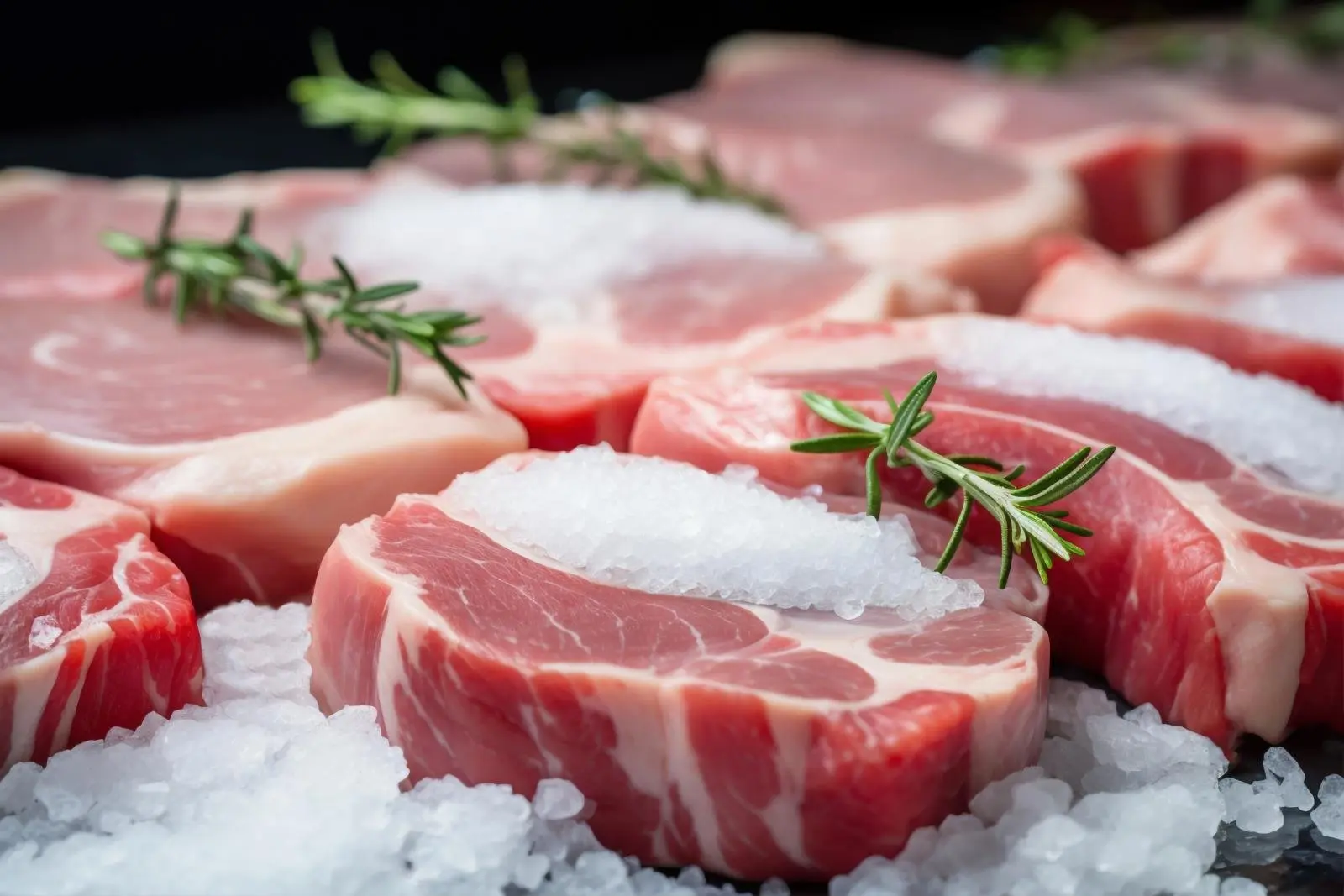
Maintaining product quality while minimizing production losses is one of the biggest challenges in the meat processing and frozen food industries. Whether producing frozen meat cuts, minced meat products, ready meals, nuggets, burgers, dumplings or other convenience foods, manufacturers must ensure long shelf life without compromising texture, taste or appearance.
Modern blast freezing technology has become the industry standard for preserving food quality while improving operational efficiency. Properly designed industrial freezing systems help businesses reduce weight loss, maintain product integrity and increase profitability throughout the cold chain.
What Is Blast Freezing?
Blast freezing is a rapid freezing process that uses high-velocity cold air, typically operating between -30°C and -40°C, to quickly remove heat from food products.
Unlike conventional freezing methods, rapid freezing minimizes the formation of large ice crystals within the product. This helps preserve cellular structure, maintain texture and significantly reduce drip loss after thawing.
As a result, blast freezing is widely used across meat processing facilities, frozen food manufacturing plants and food distribution centers worldwide.
Why Is Rapid Freezing Important for Meat Products?
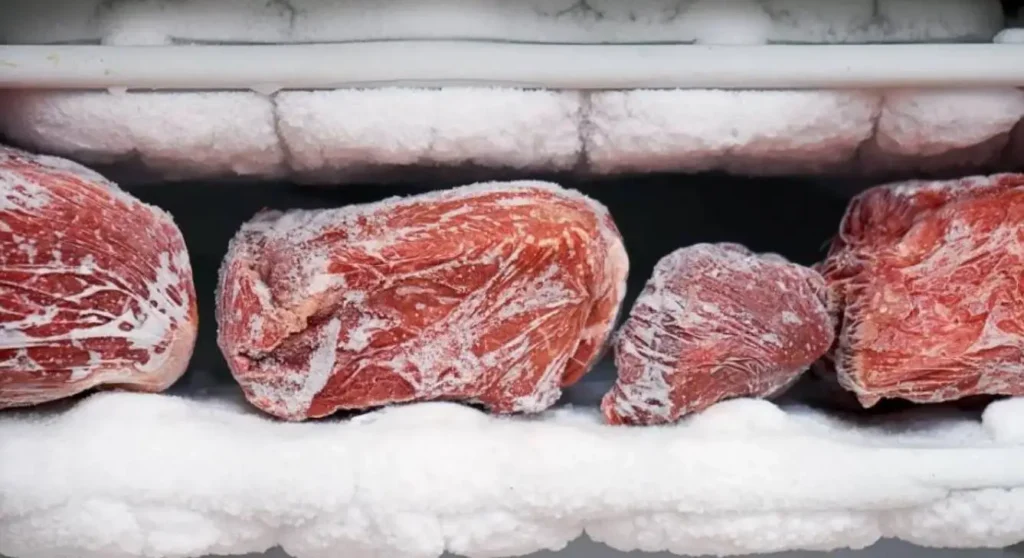
When meat is frozen slowly, large ice crystals form inside muscle fibers, damaging the product’s internal structure.
This often leads to:
- Weight loss after thawing
- Reduced juiciness
- Texture degradation
- Lower product quality
- Shorter shelf life
- Reduced customer satisfaction
Rapid freezing technology minimizes these risks by freezing products quickly and uniformly.
Products Suitable for Blast Freezing
- Beef
- Pork
- Poultry
- Turkey
- Minced meat
- Burgers and patties
- Nuggets
- Meatballs
- Prepared meals
- Dumplings and filled pasta products
- Sausage products
- Convenience foods
How Does the Blast Freezing Process Work?
During blast freezing, products are exposed to a controlled flow of extremely cold air. The objective is to pass quickly through the critical temperature zone between -1°C and -5°C, where most ice crystal formation occurs.
The faster the product moves through this temperature range, the better its quality after thawing.
This principle forms the basis of modern food preservation technology used throughout the frozen food industry.
Industrial Freezing Equipment for Meat Processing
Blast Freezers
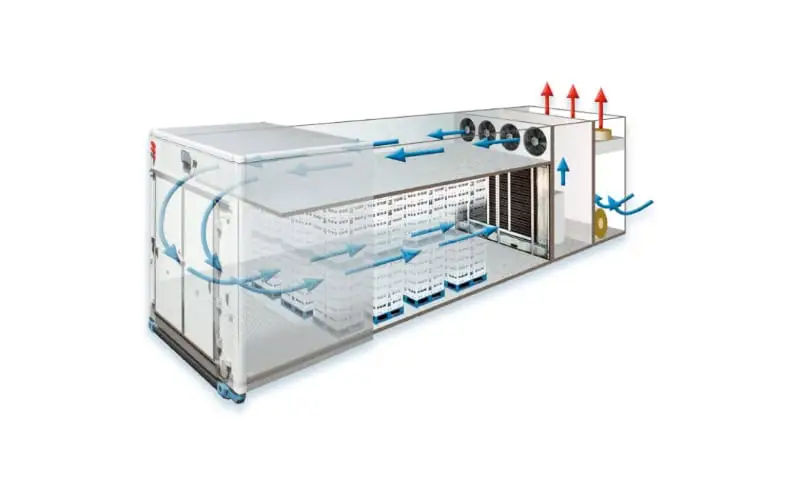
Blast freezers are commonly used by small and medium-sized food manufacturers. Products are placed on racks or trolleys and exposed to high-speed cold airflow.
Tunnel Freezers
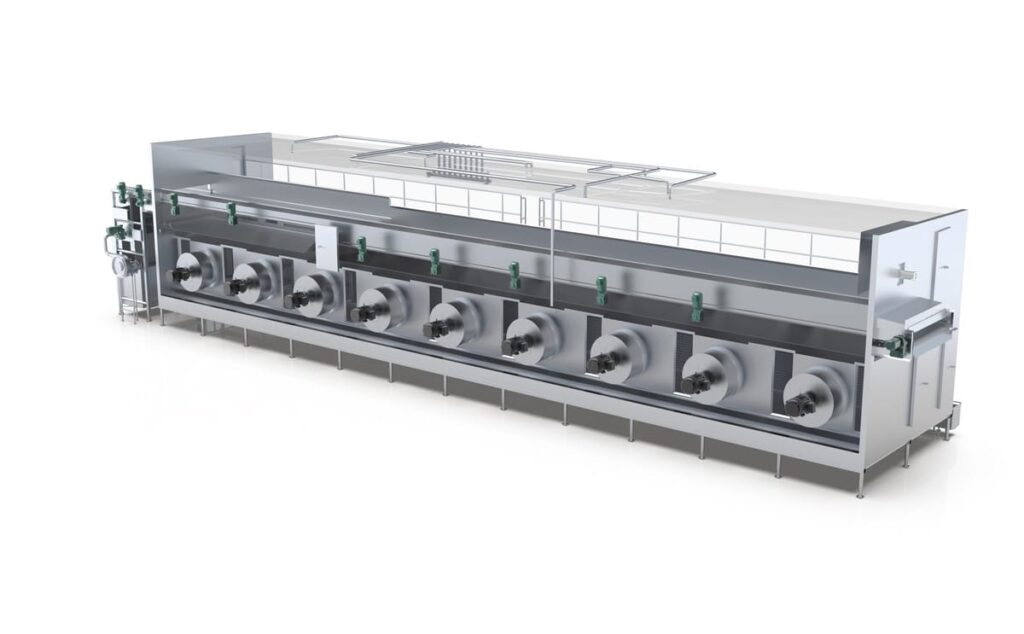
Tunnel freezers are designed for continuous production environments and are widely used in large-scale frozen food manufacturing facilities.
They provide high throughput and consistent freezing performance.
Spiral Freezers
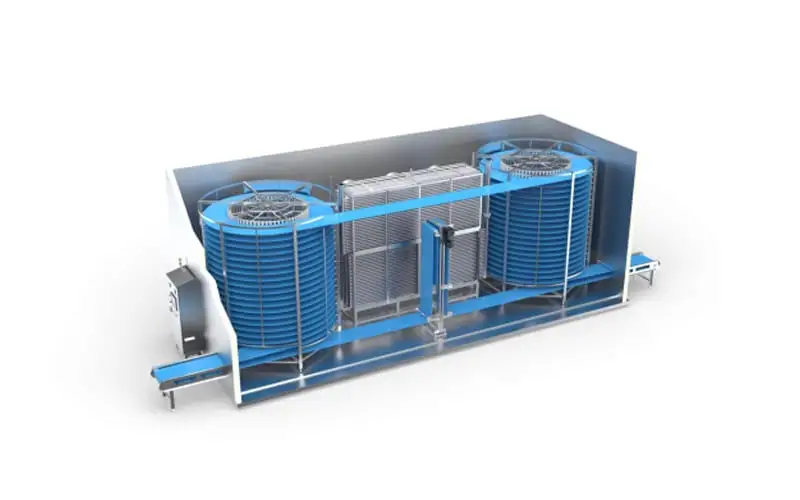
Spiral freezers offer excellent space efficiency while maintaining high production capacity. They are commonly used for processed meat products and convenience foods.
IQF Freezing Systems
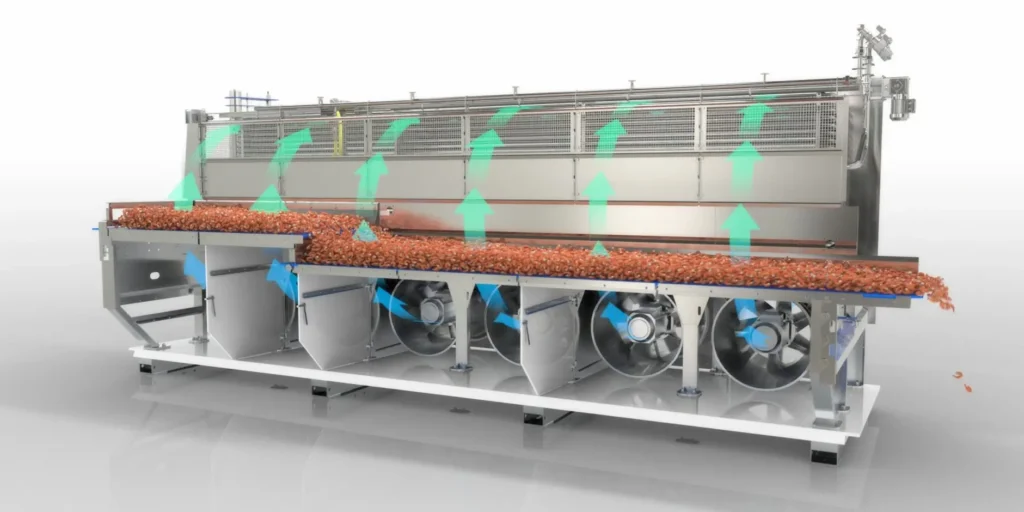
IQF (Individual Quick Freezing) technology freezes each product individually, preventing pieces from sticking together.
IQF systems are ideal for meatballs, nuggets, diced meat, poultry portions and many other individually frozen products.
How to Reduce Production Losses During Freezing
One of the most important economic factors in frozen food production is minimizing product weight loss.
Manufacturers can significantly improve yields by:
- Implementing blast freezing technology
- Optimizing airflow distribution
- Maintaining stable operating temperatures
- Using automated refrigeration controls
- Integrating monitoring and alarm systems
- Implementing BMS and SCADA platforms
- Performing regular refrigeration system maintenance
Well-designed freezing systems help improve product consistency while reducing operational costs.
Energy Efficiency in Industrial Refrigeration
Energy consumption remains one of the largest operating expenses for food processing facilities.
Modern industrial refrigeration systems incorporate advanced compressors, intelligent controls and environmentally responsible refrigerants to maximize efficiency.
Natural refrigerant solutions, including CO₂ (R744) refrigeration systems, are increasingly adopted across Europe due to their low environmental impact and compliance with evolving EU regulations.
Additional savings can be achieved through heat recovery systems and smart energy management strategies.
The Role of Automation in Frozen Food Production
Automation has become a critical component of modern freezing facilities.
Advanced control platforms allow operators to monitor temperatures, optimize refrigeration performance, generate reports and respond quickly to system alarms.
Integrated automation solutions improve reliability, product safety and overall production efficiency.
Conclusion
Blast freezing is one of the most effective technologies for preserving meat products and convenience foods while reducing production losses. Rapid freezing helps maintain product quality, improve yields and support long-term profitability.
Koriel Group provides engineering, installation and automation solutions for industrial freezing systems, tunnel freezers, cold storage facilities, CO₂ refrigeration systems and food processing refrigeration projects across Europe and Ukraine.