
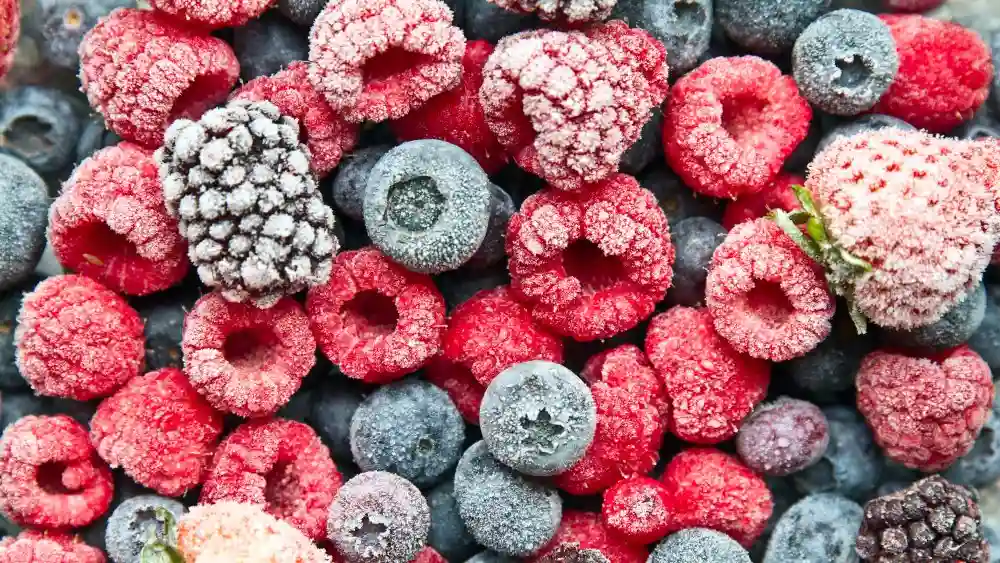
IQF freezing, also known as Individual Quick Freezing, is an advanced food preservation technology designed to freeze products rapidly while keeping each piece separate. Unlike traditional freezing methods, IQF prevents products from sticking together and helps maintain their original structure and appearance.
Today, IQF technology is widely used across the global food industry for processing:
- berries and fruits;
- vegetables;
- seafood;
- meat and poultry;
- ready-to-cook products;
- semi-finished foods.
The growing demand for high-quality frozen products has made IQF freezing systems an essential solution for food manufacturers, cold storage facilities, and export-oriented agricultural businesses.
How IQF Freezing Technology Works
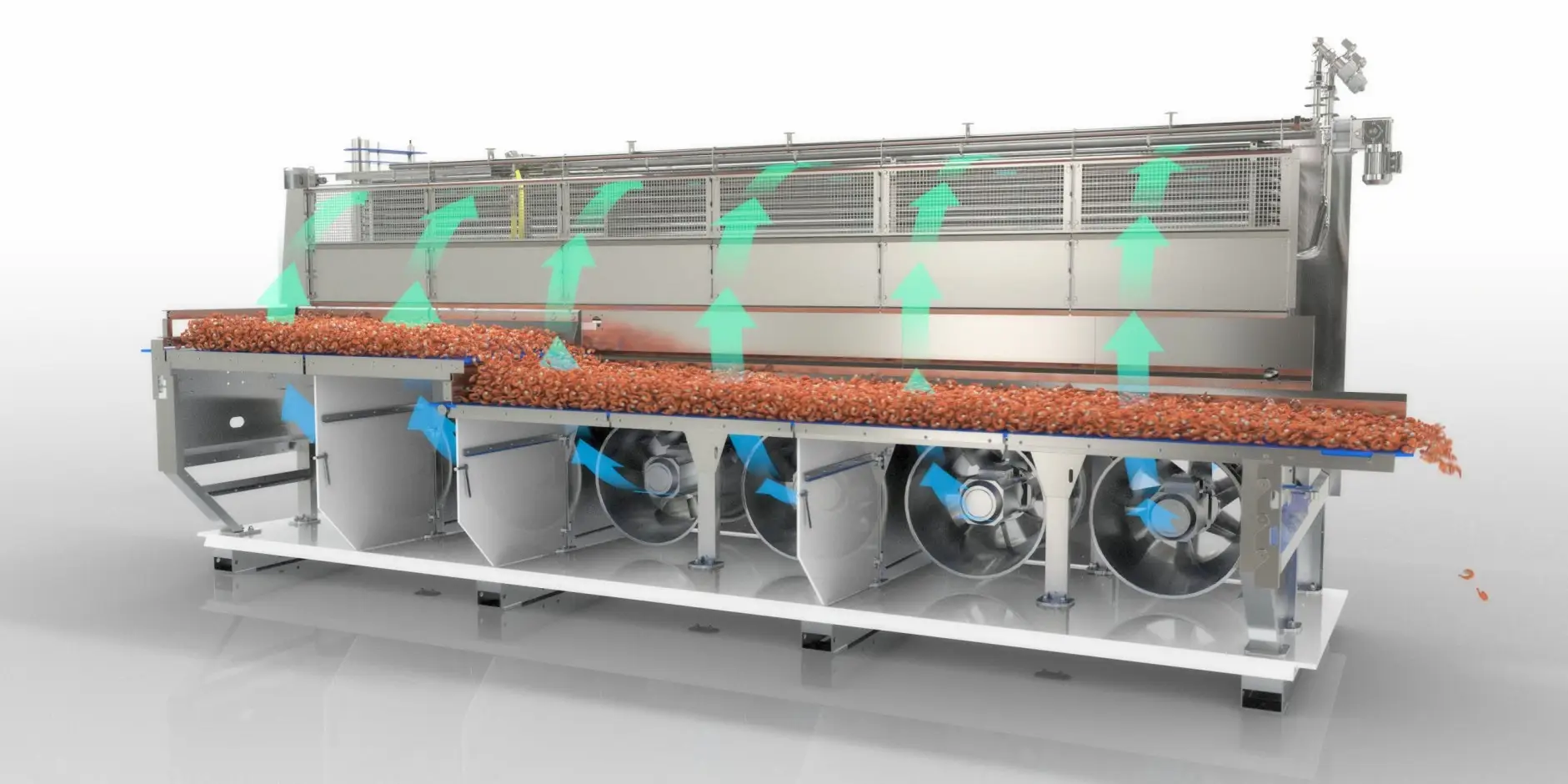
The IQF process uses extremely cold air circulating at high speed inside a specialized blast freezing tunnel or conveyor freezing system. Products move continuously through the freezing chamber where they are exposed to temperatures typically ranging from:
- -30°C to -40°C;
- or even lower in industrial applications.
Because freezing occurs very quickly, only tiny ice crystals form inside the product. This is one of the key differences between IQF and conventional freezing methods.
Smaller ice crystals cause significantly less damage to the product’s cellular structure, helping preserve:
- texture;
- natural flavor;
- appearance;
- nutritional value;
- product consistency after thawing.
Main Advantages of IQF Freezing
1. Products Remain Individually Separated
One of the biggest benefits of IQF technology is that each product is frozen individually. This is especially important for berries, diced vegetables, shrimp, or small food portions that need to remain loose and easy to handle after freezing.
Consumers and food processors can conveniently use only the required quantity without defrosting the entire package.
2. Better Product Quality After Thawing
Traditional slow freezing often damages product fibers due to the formation of large ice crystals. IQF systems minimize this problem and help products retain a fresher appearance after defrosting.
This is particularly important for delicate products such as:
- strawberries;
- raspberries;
- blueberries;
- seafood;
- vegetable mixes.
3. Longer Shelf Life
Rapid freezing slows down biological and bacterial activity much more effectively, allowing frozen products to maintain quality for extended storage periods.
This makes IQF freezing highly valuable for export logistics and large-scale food distribution.
4. Reduced Moisture Loss
IQF technology helps minimize dehydration during freezing and storage. Lower moisture loss means improved product weight retention and better economic efficiency for manufacturers.
5. High Efficiency for Industrial Production
Modern industrial freezing systems can operate continuously with high throughput capacity, making them ideal for large food processing facilities.
Automated control systems also improve temperature stability, operational safety, and energy management.
Applications of IQF Freezing
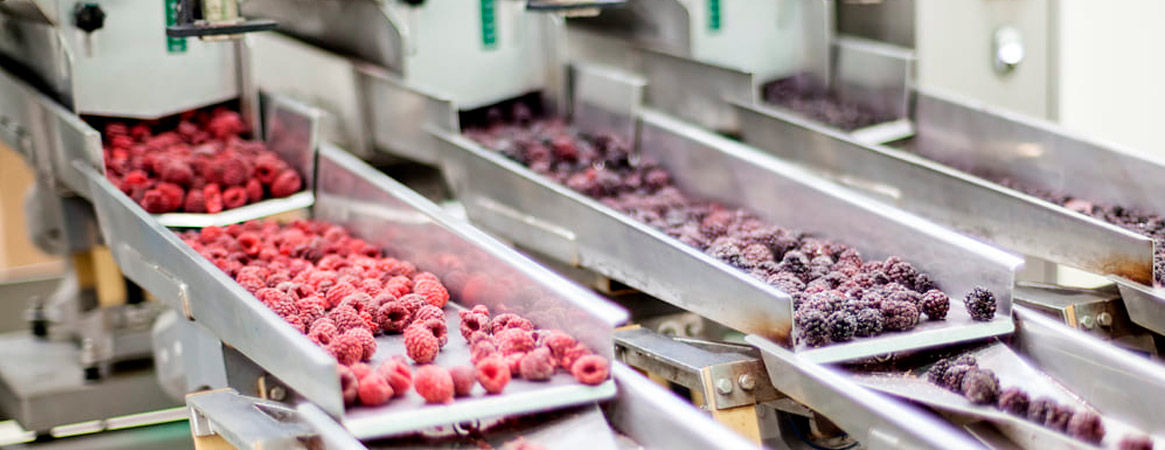
IQF freezing technology is commonly used in:
- fruit and vegetable processing plants;
- meat processing facilities;
- seafood production;
- frozen ready-meal manufacturing;
- cold storage warehouses;
- agricultural export operations.
In recent years, the technology has become especially important for companies exporting frozen berries and vegetables to European and international markets.
Equipment Used in IQF Freezing Systems
Depending on production requirements, IQF solutions may include:
- blast freezing tunnels;
- spiral freezers;
- fluidized bed freezers;
- industrial refrigeration systems;
- temperature monitoring and automation systems.
A properly engineered freezing system ensures stable operation, reliable temperature control, and long-term energy efficiency.
Energy Efficiency and Modern Refrigeration Technologies
Today, many industrial freezing facilities integrate:
- CO2 refrigeration systems;
- energy-efficient compressors;
- heat recovery technologies;
- advanced HVAC automation.
These solutions help reduce operational costs while improving environmental sustainability and compliance with modern refrigeration standards.
Conclusion
IQF freezing has become one of the most important technologies in modern food processing. By preserving product quality, extending shelf life, and improving logistics efficiency, IQF systems provide major advantages for manufacturers and distributors worldwide.
As demand for frozen food products continues to grow, businesses increasingly invest in advanced industrial refrigeration and freezing technologies to remain competitive and meet international quality standards.