
Industrial Heat Recovery Systems: Energy Savings & ROI Calculation

Heat Recovery
What is heat recovery ?
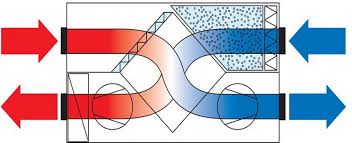
Heat recovery is a technology for repurposing thermal energy that is typically wasted during the operation of industrial refrigeration or HVAC systems. In standard setups, this excess heat is rejected into the atmosphere through a condenser or gas cooler.
In heat recovery systems, this thermal energy is captured and transferred via a heat exchanger for further use — such as space heating, domestic hot water (DHW), or supporting industrial manufacturing processes.
Heat recovery is exceptionally efficient in modern transcritical CO2 (R744) systems, where the discharge temperatures allow for heating water up to +80…+90°C without the need for additional energy sources.
Financial Efficiency
Economic Benefits of Heat Recovery Systems
Implementing heat recovery systems allows industrial facilities to significantly reduce energy costs by reusing waste heat generated during the refrigeration cycle. The recovered heat can be used for space heating, domestic hot water (DHW), and industrial process heating without additional gas or electricity consumption.
 CO₂
CO₂
How is heat recovery payback calculated ?
The economic performance of heat recovery systems depends on the amount of waste heat that can be reused and the cost of energy resources that are replaced.
Annual savings = (Qheat × Energy tariff) − Operating costs
Payback period = Investment / Annual savings
- Qheat — amount of recovered thermal energy (kWh/year)
- Energy tariff — cost of gas or electricity replaced by heat recovery
- Operating costs — electricity consumption of pumps and system maintenance
- Investment — cost of heat exchangers, installation, and system integration
The payback period is calculated as the ratio of initial investment to annual energy savings. For facilities with continuous refrigeration loads, the typical payback period ranges from 1 to 3 years.
For facilities with continuous refrigeration demand, heat recovery transforms refrigeration systems from a cost center into a valuable energy source. It is a strategic solution that improves energy efficiency, reduces operating costs, and supports compliance with modern environmental and sustainability standards in the EU.
Looking to implement heat recovery solutions at your facility?
Request a consultation
How It Works
How Heat Recovery Works in Industrial Refrigeration Systems
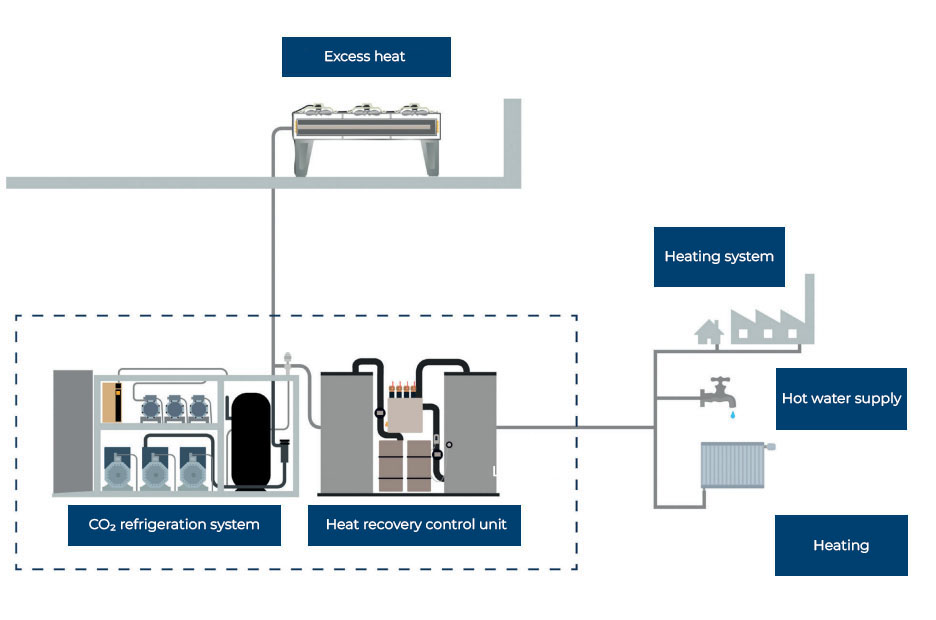
During operation, industrial refrigeration systems reject a significant amount of waste heat from the cooling process. In standard systems, this heat is released into the environment through the condenser. Heat recovery systems allow this thermal energy to be captured and reused for heating, domestic hot water (DHW), or industrial processes,
significantly improving overall energy efficiency.
Heat Recovery from the Refrigeration Circuit
After compression, the refrigerant reaches high temperatures. Before entering the condenser, part of this heat is transferred to a heat recovery heat exchanger, enabling efficient waste heat recovery
Heat Transfer to the Water Circuit
Through a plate heat exchanger or shell-and-tube heat exchanger, thermal energy is transferred to a dedicated water circuit. The water is heated without additional energy input, reducing energy consumption and operating costs.
Use of Recovered Heat
The recovered heat is used for space heating, domestic hot water (DHW), or industrial processes. In CO₂ (R744) refrigeration systems, water temperatures can reach up to +80…+90°C, ensuring high system efficiency.
Reduced Load on the Condenser
By removing part of the heat through recovery, the load on the main condenser is reduced. This improves system performance, increases energy efficiency, and extends the lifespan of refrigeration equipment.
Applications
Where Are Heat Recovery Systems Used ?
Heat recovery systems are most effective at facilities with continuous refrigeration loads. They allow businesses to reuse waste heat from industrial cooling systems for heating, domestic hot water (DHW), and process applications without additional fuel or energy costs, significantly improving overall energy efficiency.

Supermarkets and Retail
Waste heat from refrigeration display cases and cold rooms is reused for space heating and domestic hot water (DHW), reducing overall energy consumption in retail environments.

Food Processing Industry
Facilities with continuous cooling demand can use recovered heat for process heating, cleaning systems, and production processes, improving operational efficiency and reducing energy costs.

Logistics Centers and Cold Storage
Heat recovery systems help offset heating costs in large warehouses with refrigeration zones, improving energy efficiency in logistics and cold storage facilities.

Meat and Dairy Processing Plants
Excess heat is reused for water heating in sanitation and production processes, ensuring energy savings and compliance with hygiene standards.

HoReCa and Hotels
Heat recovery enables efficient domestic hot water (DHW) production for kitchens and guest rooms without additional energy input, reducing operational costs in hospitality facilities.

Industrial Facilities
Integrating heat recovery into industrial processes increases overall system efficiency, reduces energy consumption, and supports sustainable, low-carbon operations.
Business Benefits
Key Benefits of Heat Recovery for Industrial Facilities
Heat recovery systems transform industrial refrigeration from a cost center into a valuable energy resource. Instead of being wasted, excess heat is captured and reused for space heating, domestic hot water (DHW), or industrial process applications.
This is not additional equipment, but a strategic optimization of existing engineering infrastructure that reduces operating costs, improves energy efficiency, and supports sustainable energy use.
-
Reduced Energy Costs
Lower demand for gas or electric heating systems through efficient waste heat reuse.
-
Improved Energy Efficiency
Reduced thermal load on the condenser, improving overall refrigeration system performance.
-
Lower CO₂ Emissions
Efficient reuse of waste heat reduces carbon footprint and supports sustainable, low-emission operations
-
Payback Period: 1–3 Years
Depending on facility size, cooling load, and operating conditions.
-
BMS Integration and Automation
Full control of temperature and operating modes through building management systems (BMS) and automation.
Technical comparison
Heat recovery vs traditional heating — which solution is more efficient for industrial facilities ?
The choice of heating system directly impacts operating costs, energy efficiency, and the overall performance of engineering systems. Below is a technical comparison between heat recovery systems in industrial refrigeration and conventional gas or electric heating solutions.
For facilities with continuous refrigeration load, heat recovery systems transform excess heat into a reliable and cost-effective energy source without additional fuel consumption.
| Parameter | Heat recovery system | Traditional heating (gas/electric) |
|---|---|---|
| Energy source | Waste heat from the refrigeration cycle | Gas combustion or electricity consumption |
| Additional fuel costs | None | Continuous fuel or electricity expenses |
| System energy efficiency | Increases overall COP of the refrigeration system | No impact on cooling system efficiency |
| Carbon emissions | Minimal (energy reuse, CO₂ reduction) | Depends on fuel type |
| Return on investment (ROI) | 1–3 years with stable refrigeration load | No ROI — ongoing operational expenses |
| Automation & control integration | Fully integrated with BMS and SCADA systems | Requires separate control systems |
| Long-term strategy | Aligned with EU energy efficiency and sustainability policies | Depends on fuel availability and price volatility |
Conclusion: Heat recovery systems are a strategically efficient solution for industrial facilities with continuous refrigeration demand. They significantly reduce operating costs, improve energy efficiency, and decrease reliance on external energy sources.
Traditional heating systems remain an ongoing expense, while heat recovery converts industrial refrigeration into a valuable source of usable thermal energy.
Need a performance and ROI calculation for your facility?
Consultation
FAQ
Heat Recovery in Industrial Refrigeration Systems – FAQ, Benefits, Efficiency & Integration
-
Heat recovery is a technology that allows reuse of thermal energy generated during the operation of industrial refrigeration systems.
In a standard refrigeration cycle, this heat is rejected through the condenser into the environment. A heat recovery system captures and redirects it for:
- Space heating for industrial facilities
- Domestic hot water (DHW) production
- Process heating applications
- Temperature control in warehouses
This allows businesses to generate usable heat without additional gas or electric heating systems.
-
For facilities with continuous cooling demand, heat recovery can reduce heating costs by 20–50%.
Typical return on investment (ROI) is 1–3 years depending on:
- Refrigeration system capacity
- Operating режим (24/7 or seasonal)
- Hot water and heating demand
- Energy prices (gas and electricity)
The larger and more stable the load, the faster the payback period.
-
Yes. Transcritical CO₂ (R744) systems offer excellent heat recovery performance and can heat water up to +80…+90°C.
This makes refrigeration systems a powerful energy platform for industrial facilities.
- High thermal efficiency
- Stable performance under variable loads
- Compliance with EU F-Gas regulations
- Minimal environmental impact (GWP = 1)
-
Maximum efficiency is achieved in facilities with constant refrigeration load:
- Food processing plants
- Meat and dairy production facilities
- Logistics and cold storage warehouses
- Supermarkets and retail chains
- Deep-freeze storage facilities
In these environments, waste heat is continuously available, making heat recovery highly efficient and cost-effective.
-
In most cases, yes. Heat recovery modules can be integrated into existing refrigeration systems.
A technical audit is required before implementation, including:
- Thermal load analysis
- Condenser capacity evaluation
- Hydraulic system assessment
- ROI and energy savings calculation
-
When properly designed, heat recovery does not reduce cooling capacity.
On the contrary, it can reduce condenser load and improve overall system efficiency (COP).
Proper system design and integration with BMS (Building Management Systems) are key factors.
-
Yes. Heat recovery supports EU decarbonization and energy efficiency strategies.
Benefits for businesses include:
- Reduced carbon footprint
- Lower energy consumption costs
- Improved ESG compliance
- Higher investment attractiveness
-
In industrial refrigeration systems, heat recovery operates similarly to a heat pump but without additional equipment.
The refrigeration system already transfers heat from a low-temperature source to a higher-temperature level. Heat recovery allows this energy to be reused for:
- Space heating
- Hot water production
- Industrial processes
Unlike standalone heat pumps, heat recovery uses existing infrastructure, reducing capital costs and improving ROI.
For facilities with continuous cooling demand, it is often a more efficient solution.
Completed projects
Our Projects

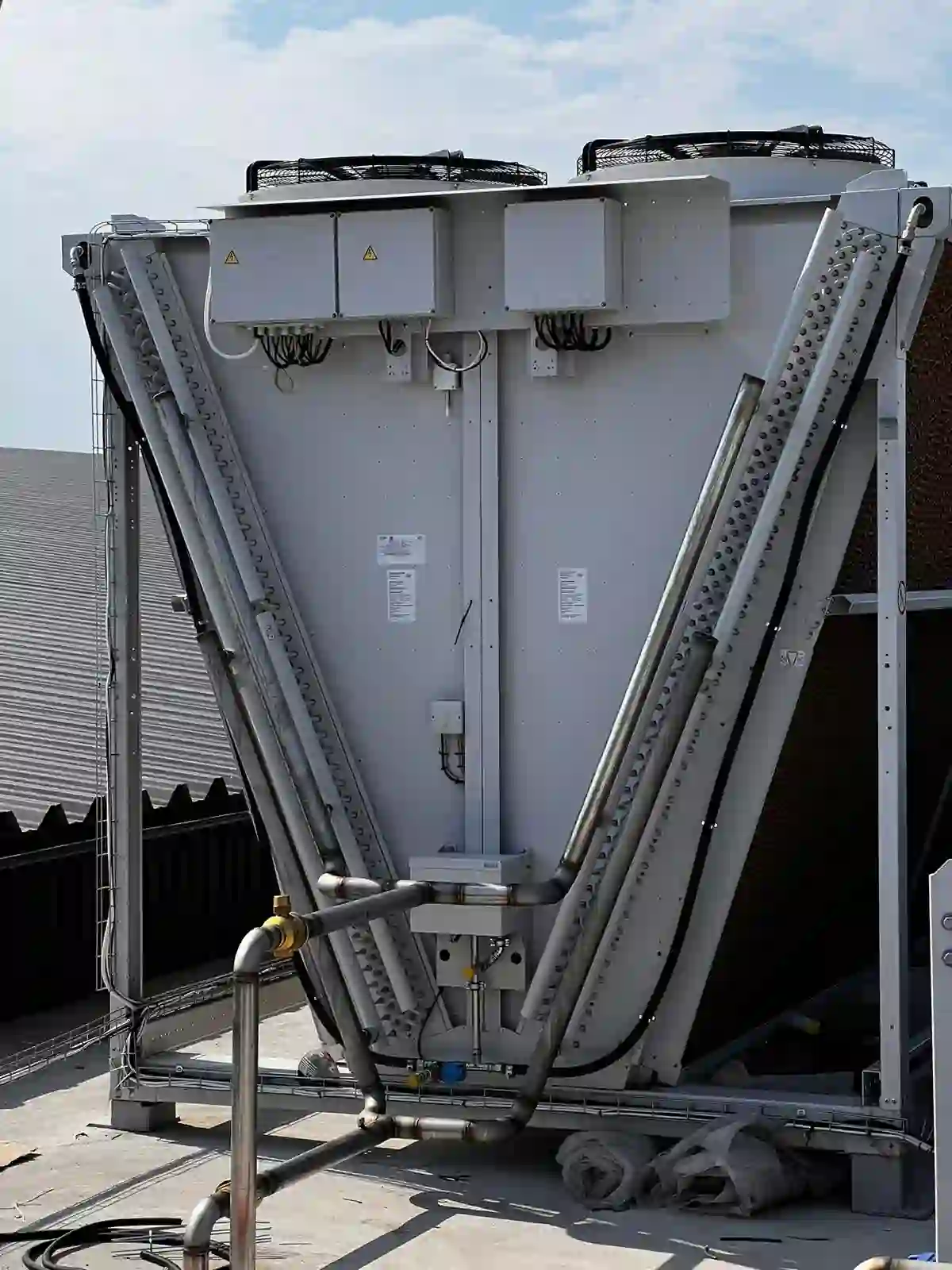
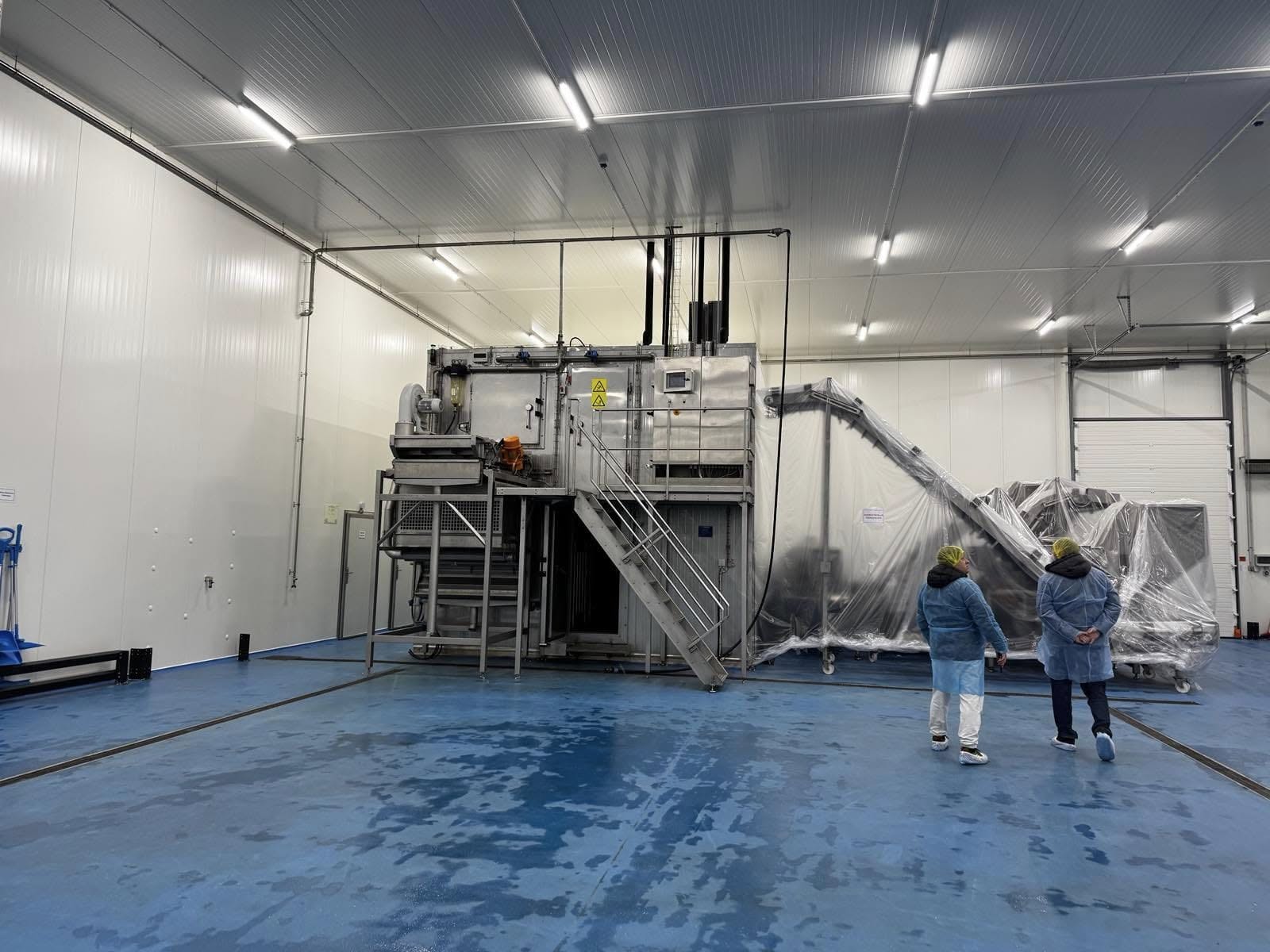
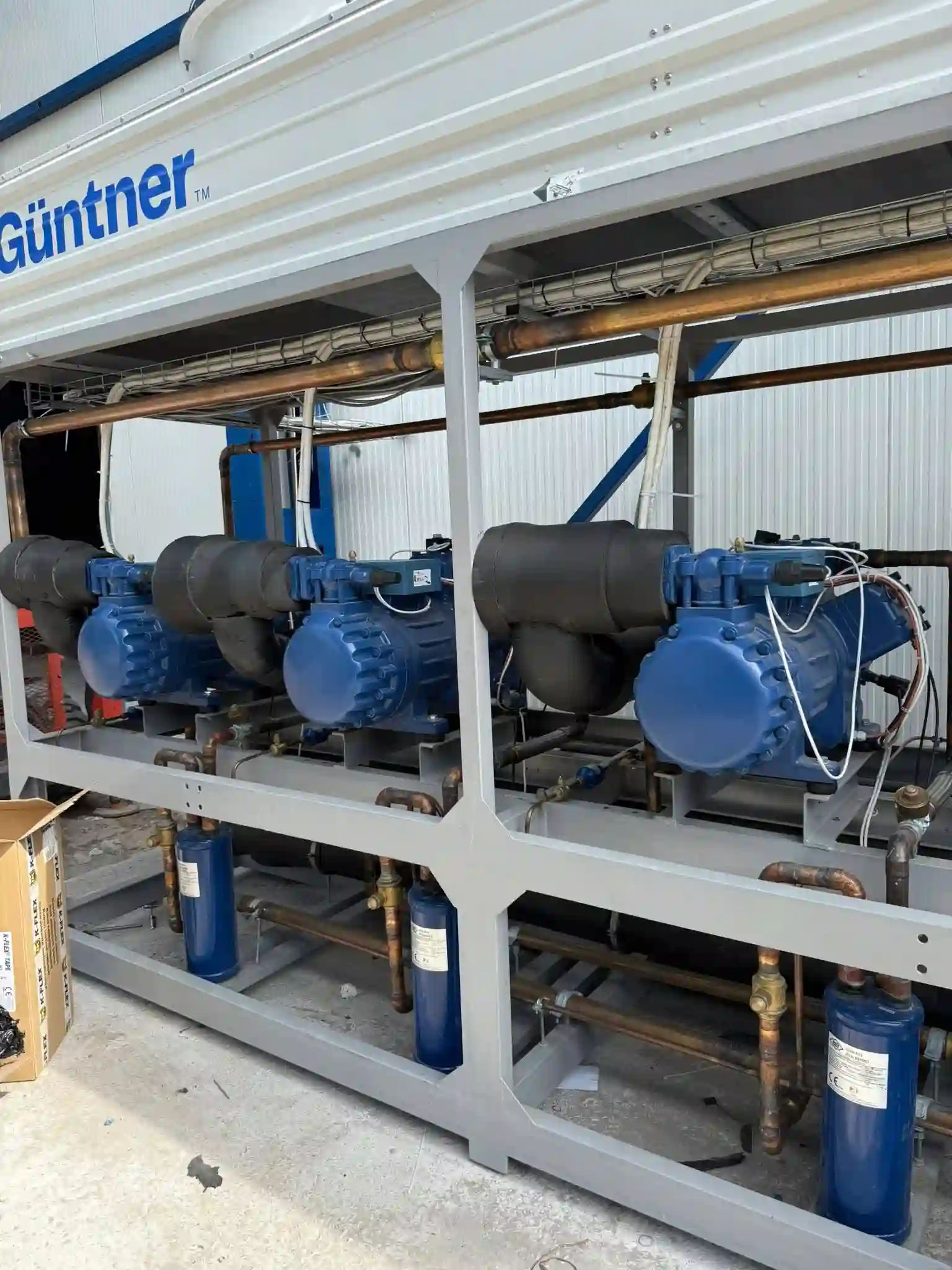
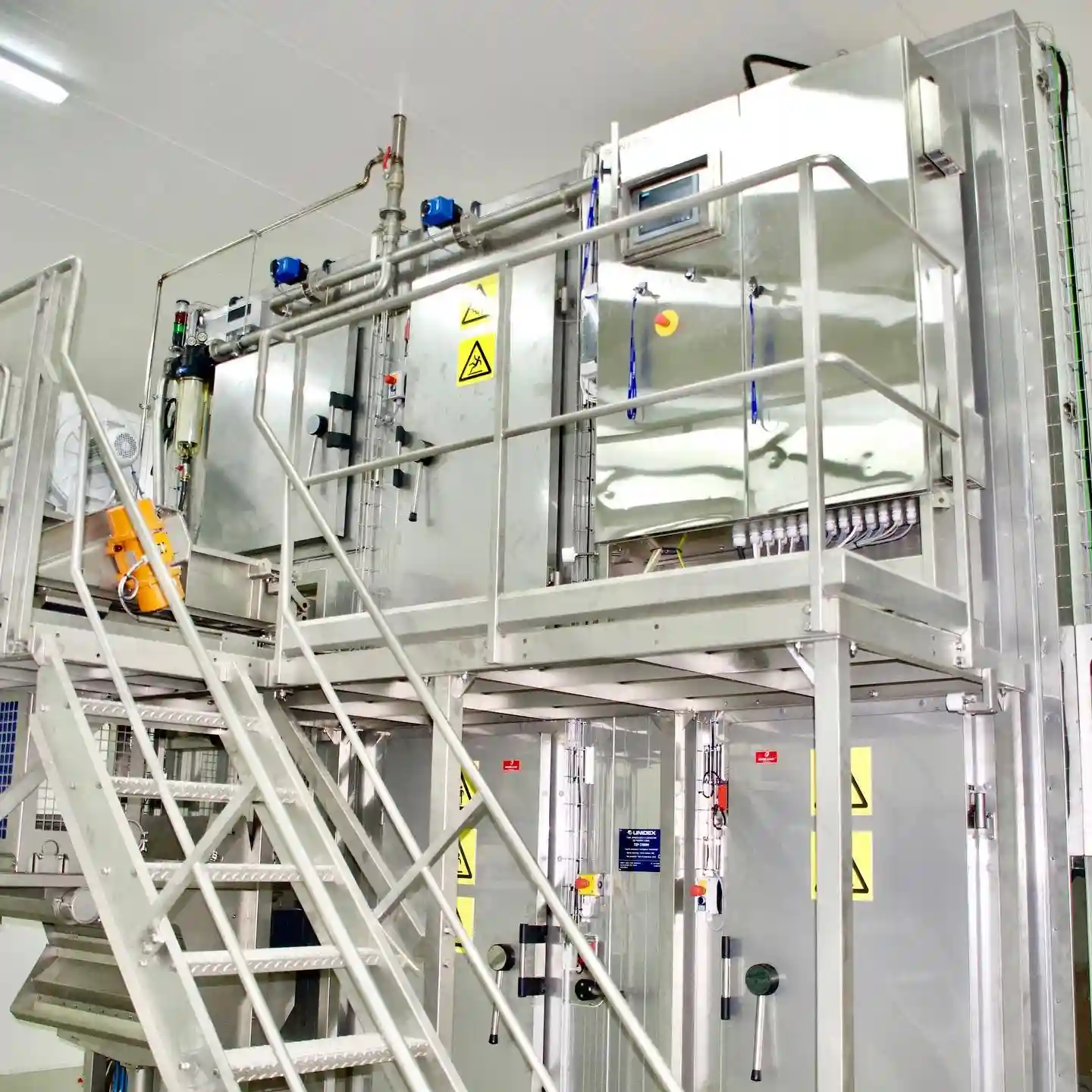
Our Clients
We are trusted










Our Partners
Work with us









Testimonial
Customers Says

Koriell Group completed the development of a refrigeration machine and its installation on CO2 for berry sublimation. We are very pleased with the cooperation because the work was completed on time. The equipment operates productively and energy-efficiently, which in turn reduces the cost of finished products.

We have had a positive experience working with the Coriel Group team. Just recently, 20-year-old blast freezing system with a new, modern and more efficient system that works flawlessly.
Any questions ?
99.9% Customer Satisfaction Based
If you have any questions or need assistance, please call us or send us an enquiry.