
Industrial HVAC and Air Conditioning Systems Powered by CO₂ (R744) for Warehouses and Manufacturing
Turnkey engineering and implementation of industrial ventilation, air conditioning, dehumidification and microclimate control systems for warehouses, logistics centres and manufacturing plants. Thermal load calculation, seamless integration with refrigeration equipment and full automation. Energy-efficient solutions based on natural refrigerant CO₂ (R744).

Industrial Climate Solutions
Comprehensive Industrial HVAC Systems for Manufacturing, Warehouses and Logistics Facilities
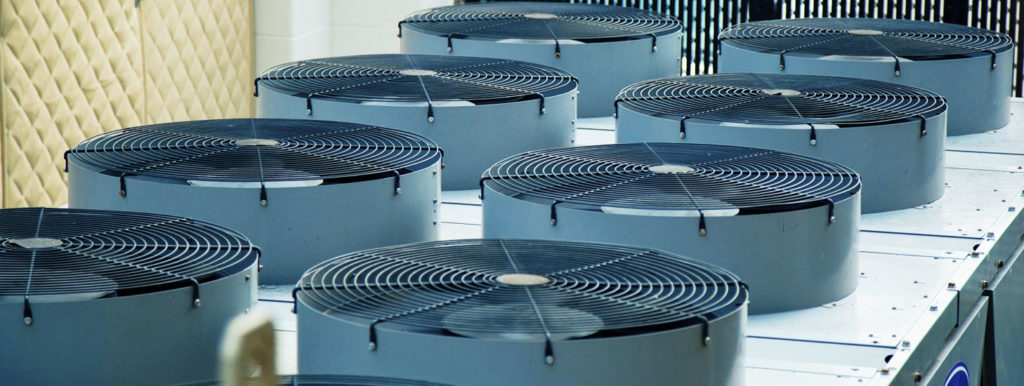
Industrial HVAC systems and climate control equipment ensure stable air parameters in production facilities, warehouse complexes and logistics centres. Ventilation, air conditioning and industrial dehumidification systems are engineered based on thermal load calculations, process requirements, and precise temperature and humidity control standards.
We implement energy-efficient HVAC solutions with seamless integration of refrigeration systems and automation technologies. Advanced solutions based on natural refrigerant CO₂ (R744) help reduce energy consumption and ensure compliance with EU environmental regulations.
-

Industrial Ventilation and Air Exchange
Air exchange rate calculations based on thermal loads and production requirements. Design of supply and exhaust ventilation systems with zoning, heat removal and stable indoor climate control.
-
Large-Scale Air Conditioning Systems
Centralised and multi-zone HVAC systems for warehouses, logistics centres and industrial facilities. Equipment selection is based on detailed thermal engineering analysis and peak load calculations.
-
Dehumidification and Humidity Control
Industrial dehumidifiers designed to maintain precise humidity levels. Critical solutions for storage facilities, cold storage warehouses and production environments with strict climate requirements.
-
Integration with Refrigeration Systems and CO2 (R744)
Integration of HVAC systems with industrial refrigeration units, including solutions based on natural refrigerant CO₂ (R744). Optimisation of energy consumption through heat recovery and intelligent thermal energy management.
-
Automation and Climate Monitoring
Implementation of PLC control systems, SCADA and remote monitoring solutions. Integration with BMS and industrial automation systems for precise control of temperature, humidity and energy efficiency.
Engineering Solutions
Key Industrial HVAC and Climate Control Systems for Commercial and Industrial Facilities
Industrial HVAC systems for enterprises include the design, installation and integration of refrigeration equipment, ventilation systems, air conditioning and heat recovery solutions. Each system is engineered based on thermal load calculations, production processes and strict energy efficiency requirements.
We implement centralised cooling and climate control systems that operate as a unified engineering platform for maximum efficiency and control.
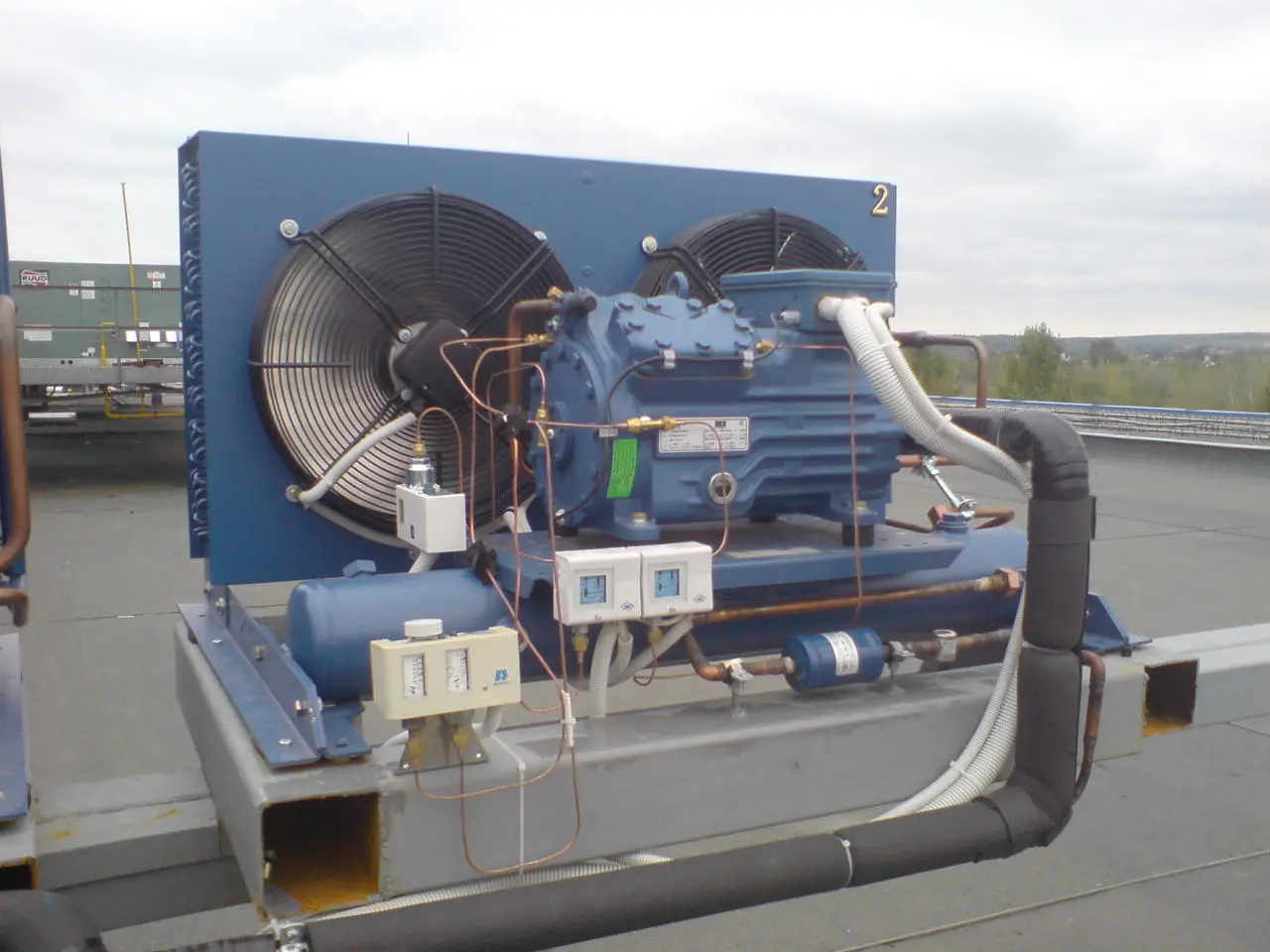

CO₂ (R744) Refrigeration as a Chiller Alternative for Industrial HVAC
In conventional industrial HVAC systems, a freon-based chiller is the central cooling source — supplying chilled water to air handling units and fan coils throughout the facility. We design an alternative: a transcritical CO₂ (R744) refrigeration unit that takes the role of the chiller, eliminating synthetic refrigerants from the entire building and meeting the requirements of EU F-Gas Regulation 2024/573.
-
Single natural refrigerant CO₂ across the entire facility — no synthetic HFCs
-
Higher energy efficiency during peak summer cooling loads
-
Full compliance with EU F-Gas Regulation 2024/573 and green building standards
-
Scalable solution for industrial facilities from 1,000 m² and above
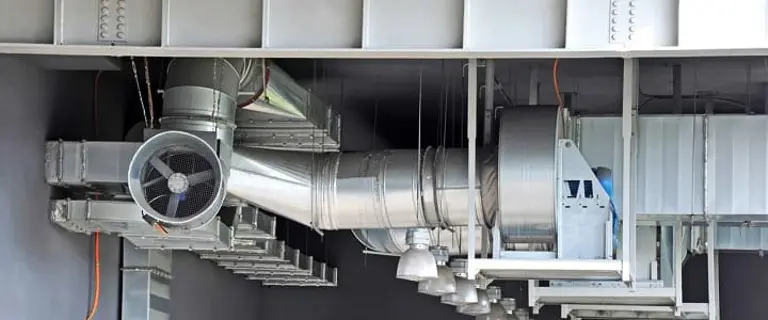

Connecting HVAC to an Existing CO₂ Refrigeration System
If your facility already operates a CO₂ (R744) refrigeration system — for cold storage, production chambers or process cooling — we can connect the building’s HVAC directly to it. The refrigeration unit then serves both process cooling and space conditioning simultaneously: surplus cooling capacity or heat recovered from the compressors is routed into the climate control system. No separate chiller required.
-
No separate chiller needed for air conditioning
-
Unified automation for refrigeration and HVAC
-
Lower capital expenditure on climate equipment
-
Improved overall facility energy efficiency (COP)
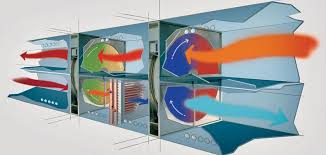
Heat Recovery Systems
Recovering thermal energy from refrigeration systems helps reduce operational costs and significantly improve overall energy efficiency (COP) of industrial facilities.
-
Industrial heat recovery system from refrigeration for heating and hot water
-
Heating of industrial and office spaces
-
Hot water production for domestic use
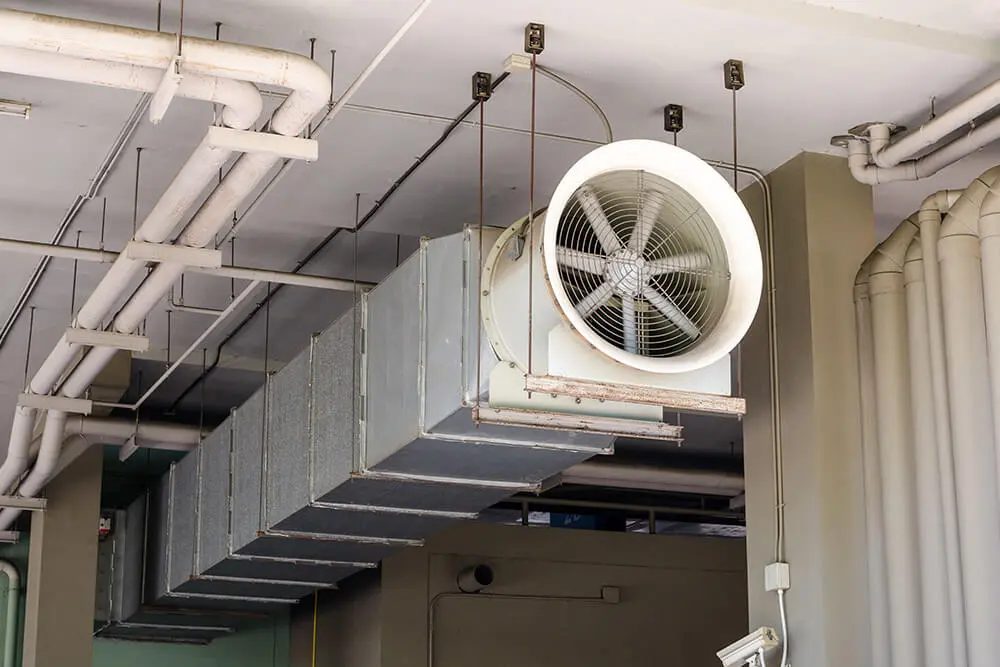
Ventilation & Microclimate Control
Properly engineered ventilation systems ensure stable air exchange, temperature and humidity control in compliance with sanitary and technological standards for industrial environments.
-
Supply and exhaust ventilation systems
-
Adjustable air exchange rates
-
Integration with building management systems (BMS)
Integrated Engineering Approach
At large industrial facilities, CO₂ refrigeration systems can simultaneously provide cooling, air conditioning and heat recovery. A centralised system minimises energy losses and enables full operational control through advanced automation and BMS integration.
Applications
Where Industrial HVAC & Climate Control Systems Are Used
Industrial climate control systems are implemented in facilities where precise temperature, humidity, and air exchange control is critical. Stable indoor climate conditions directly impact product quality, operational continuity, and overall energy efficiency of the enterprise.
Warehouses & Logistics Centers
- Maintaining stable temperature conditions
- Precise humidity control
- Protection of goods from condensation and overheating
Solutions for distribution centers, cold storage warehouses, and logistics hubs with centralized refrigeration systems.
Refrigeration & Cold Storage Facilities
- Medium — and low-temperature zones
- Transcritical CO₂ systems (R744)
- Automated climate parameter control
Industrial refrigeration solutions for food processing, pharmaceutical storage, and cold chain logistics.
Manufacturing & Industrial Facilities
- Stable operation of production processes
- Temperature and air exchange control
- Integration of ventilation and heat recovery systems
Climate control solutions for production plants, industrial workshops, and large-scale manufacturing facilities.
Agri-Food & Processing Industry
- Controlled storage temperature for products
- Maintaining optimal humidity levels
- Minimizing storage and processing losses
Solutions for vegetable storage facilities, meat processing plants, dairy factories, and agricultural complexes.
A comprehensive engineering approach to HVAC system design and integration ensures stable production processes, reduces energy consumption, and guarantees compliance with modern EU energy efficiency and sustainability standards.
Technical Specifications
Industrial Refrigeration Technical Parameters & Performance Specifications
Industrial refrigeration systems are engineered based on thermal load calculations, facility size, and production requirements. Centralized CO₂ (R744) systems ensure reliable and energy-efficient operation in both medium- and low-temperature applications.
Cooling Capacity
50 kW – 2+ MW
Operating Temperature Range
Medium temperature: -5°C … +15°C
Low temperature: -18°C … -40°C
Refrigerant Type
CO₂ (R744), cascade refrigeration systems
Operating Pressure (CO2)
up to 120 bar (transcritical operation)
Compressor Types
Reciprocating, screw, and scroll compressors (depending on system configuration)
Control System
PLC controllers, SCADA systems, BMS integration
CO2 (R744) Systems for Large-Scale Industrial Applications
Transcritical CO₂ refrigeration systems deliver high performance and enable seamless integration of cooling, HVAC, and heat recovery into a single energy-efficient engineering platform for industrial facilities.
- GWP = 1 (natural, environmentally friendly refrigerant)
- Parallel compression technology for higher efficiency
- Heat recovery for hot water and space heating
- Optimization of total energy consumption
Energy efficiency ratio
Energy savings with heat recovery
Continuous system monitoring
Our Process
Implementation Stages of Industrial HVAC & Climate Control Systems
We deliver turnkey solutions in the field of industrial HVAC and climate control systems for manufacturing facilities, warehouses, logistics centers, and the agri-food sector. Our services cover the full project lifecycle — from thermal engineering audit to automation and maintenance. This approach ensures maximum energy efficiency, stable climate conditions, and reduced operational costs.
-

Thermal Audit & Load Analysis
Analysis of production processes, heat load calculations, identification of temperature-controlled zones, and air exchange requirements for industrial facilities.
-

HVAC & CO₂ System Design
Engineering design focused on energy efficiency, system selection (chillers, VRF systems, transcritical CO₂ units), and simulation of operating conditions.
-

Equipment Selection & Supply
Compressor units (reciprocating, screw, scroll), heat exchangers, heat recovery systems, automation components, ventilation units, and industrial control systems.
-

Installation & Commissioning
Equipment installation, integration with existing refrigeration systems, load testing, and fine-tuning of system performance.
-

Automation & Monitoring
Integration of PLC, SCADA, and BMS systems, remote monitoring of parameters, energy consumption control, and emergency scenario management.
-

Service & Technical Support
Scheduled maintenance, system optimization, upgrades, and fast-response support to minimize downtime and ensure continuous operation.
Integration & Automation
HVAC & CO₂ System Automation with PLC, SCADA and BMS Integration
We provide comprehensive automation of industrial refrigeration systems, HVAC equipment, and CO₂ (R744) solutions with full integration into the building management system (BMS). This ensures centralized control, reduced energy consumption, and stable system performance under any load conditions.
As an official Carel partner, we implement advanced controllers and automation solutions for transcritical CO₂ systems, as well as medium- and low-temperature refrigeration applications.
Learn more about our automation solutions on the dedicated page — industrial automation and SCADA systems.
Controllers & Automation Platforms
- Carel (official partner)
- Siemens
- Schneider Electric
- Danfoss
Industrial Communication Protocols
- Modbus RTU / TCP
- BACnet
- CAN bus
- Ethernet / VPN
System Capabilities
- SCADA-based monitoring and control
- Real-time temperature and pressure monitoring
- Energy consumption analytics
- CO₂ heat recovery management
- Remote diagnostics and predictive maintenance
Business Benefits
Energy-Efficient HVAC and CO₂ Solutions for Industrial Facilities
Implementation of advanced industrial refrigeration systems, HVAC solutions, and automation technologies enables businesses to significantly reduce energy costs, streamline operations, and ensure uninterrupted production processes. Integration with BMS and SCADA systems creates a unified control ecosystem for ventilation, cooling, and heat recovery.
CO₂ (R744) refrigeration systems comply with the latest EU environmental regulations, feature ultra-low Global Warming Potential (GWP = 1), and enable sustainable, future-proof solutions for logistics hubs, manufacturing facilities, and commercial real estate.
A comprehensive approach to engineering, automation, and lifecycle service support ensures predictable ROI, reduced operational risks, and long-term system reliability for industrial enterprises.
20–35%
Energy Consumption Reduction24/7
Real-Time Monitoring via SCADA & BMSGWP = 1
Environmentally Sustainable CO₂ Refrigerant2–4 years
Average Payback Period
FAQ
Questions & Answers on Industrial HVAC and CO₂ Systems
-
Selection of industrial HVAC and refrigeration systems is based on:
- Thermal load calculations
- Production processes and operational requirements
- Required temperature ranges
- Humidity control and air exchange rates
For large industrial facilities, typical solutions include:
- Centralized refrigeration systems (including CO₂ R744)
- Chiller-based cooling systems
- Supply and exhaust ventilation systems
- Heat recovery systems
- Automation platforms (PLC, SCADA, BMS)
A fully integrated approach ensures a highly energy-efficient and scalable engineering system.
-
CO₂ (R744) is a natural refrigerant with GWP = 1, fully compliant with EU F-Gas regulations and environmental standards.
Main advantages include:
- High cooling capacity and performance
- Stable operation under variable load conditions
- Seamless integration with HVAC systems
- Efficient heat recovery capabilities
- Minimal environmental impact
Transcritical CO₂ systems can serve as a central energy platform for the entire facility.
-
Yes. In modern industrial facilities, ventilation, air conditioning, and heat recovery systems can be fully integrated with a centralized refrigeration plant.
This approach allows you to:
- Reduce capital investment (CAPEX)
- Optimize energy consumption
- Enable centralized temperature control
- Manage indoor climate via automation systems
This significantly improves overall system efficiency and operational performance.
-
Design of industrial HVAC systems is based on:
- Air exchange rate calculations
- Thermal load analysis
- Temperature range requirements (-40°C to +20°C depending on application)
- Relative humidity levels
- Type of production process
Integration with SCADA and BMS systems enables real-time monitoring, data analytics, and performance optimization.
-
Modern CO₂ refrigeration systems achieve high COP values and can reduce energy consumption by 20–35% compared to traditional refrigerants.
Additional efficiency is achieved through:
- Heat recovery systems
- Variable speed (inverter-driven) compressors
- Load optimization strategies
- Weather-compensated control
Advanced automation ensures stable performance and fast return on investment (ROI).
-
Yes, we deliver turnkey industrial HVAC and refrigeration projects, including:
- Technical audit and site assessment
- Engineering calculations
- System design and planning
- Equipment supply
- Installation and commissioning
- Automation and system integration
- Maintenance and service support
This end-to-end approach guarantees compliance with EU standards, reliable operation, and long-term system performance.
-
Yes. Transcritical CO₂ (R744) units can simultaneously function as a refrigeration machine and a heat pump, making them an efficient solution for air conditioning of production workshops, warehouse and commercial premises.
Advantages of CO₂ for air conditioning:
- One unit instead of separate chiller and heating system
- Supply of cooled air to process and administrative zones
- Simultaneous air conditioning and hot water heating (DHW) from a single unit
- Compatibility with central ventilation systems and AHU
- Compliance with EU environmental standards (GWP = 1)
This is relevant for agro-processing enterprises, logistics centres, shopping and entertainment centres, and office buildings that require a unified climate control circuit for different zones.
-
Heat recovery is the reuse of thermal energy generated during the operation of a refrigeration or climate system. In standard units, this heat is simply discharged into the atmosphere through the condenser. In systems with heat recovery, it is transferred via a heat exchanger and used for space heating or hot water supply.
Real economic impact:
- Energy savings on heating and DHW — up to 30%
- Water heating up to +80…+90°C without additional energy sources
- Average system payback period — 1–3 years
- Reduction of the enterprise’s carbon footprint
Heat recovery is especially effective in CO₂ (R744) units — thanks to the transcritical cycle, the recovered heat temperature is significantly higher than in conventional refrigerant systems. More details on the operating principle and payback calculation are available on the dedicated heat recovery page.
Completed projects
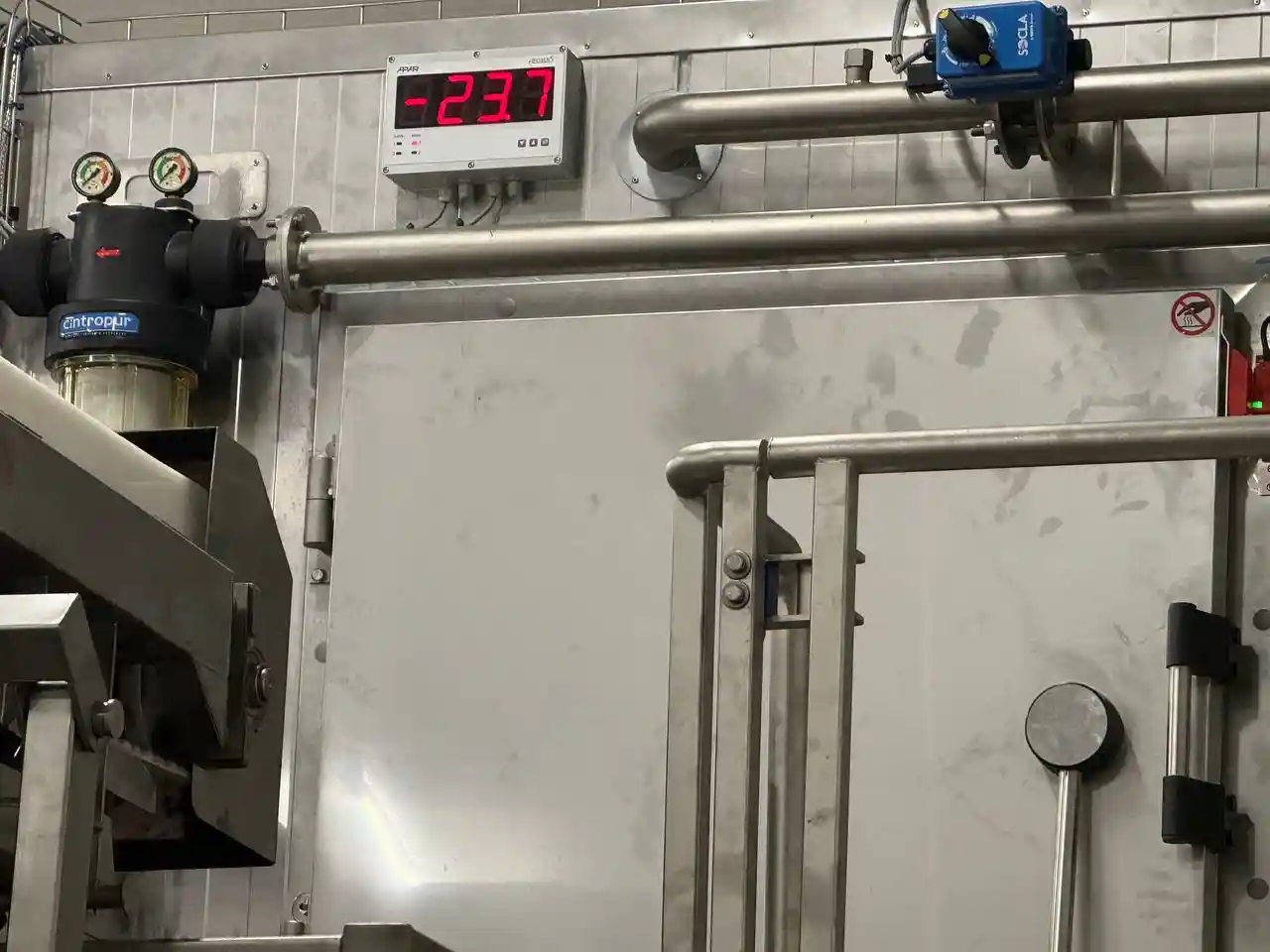
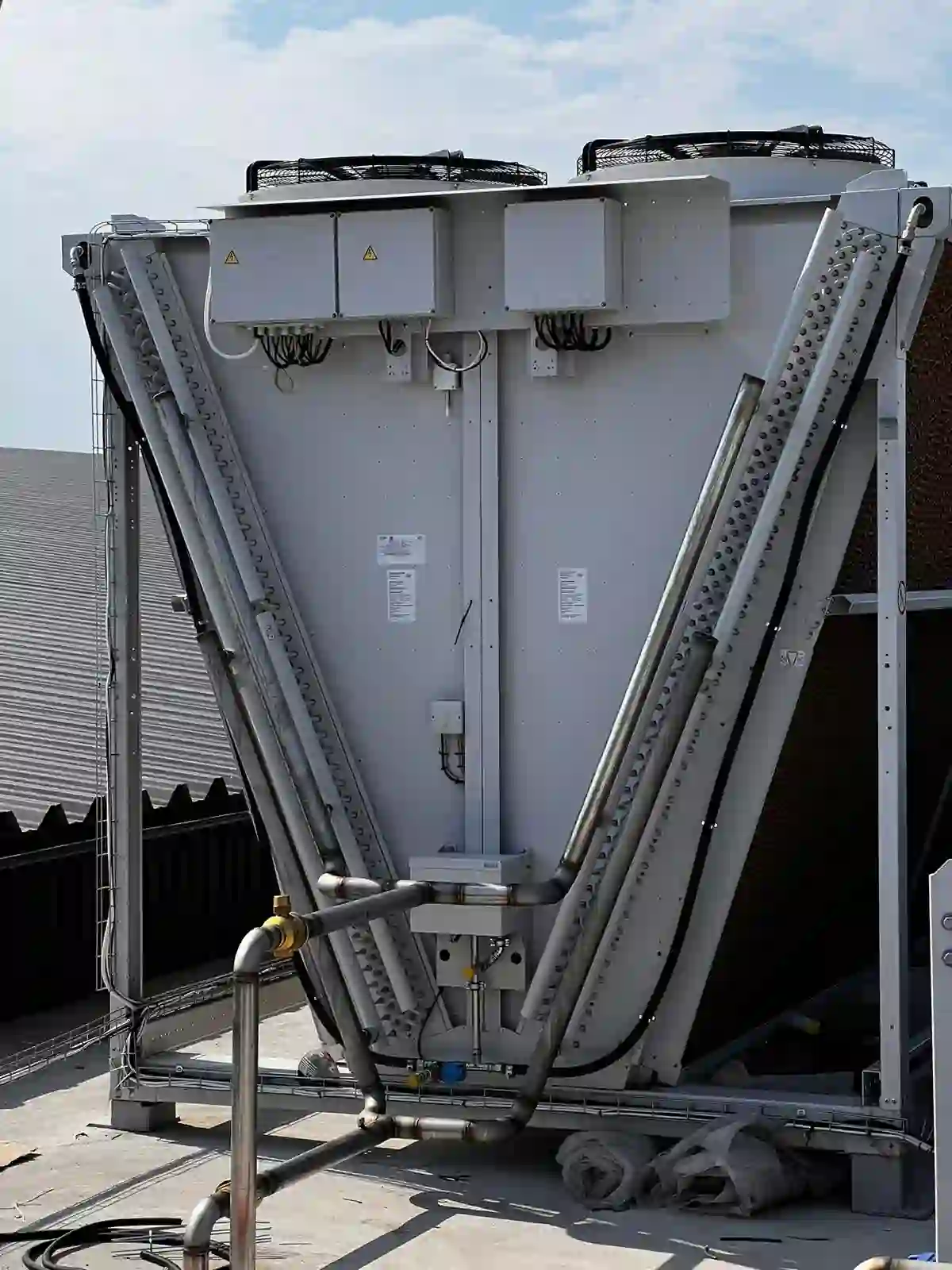
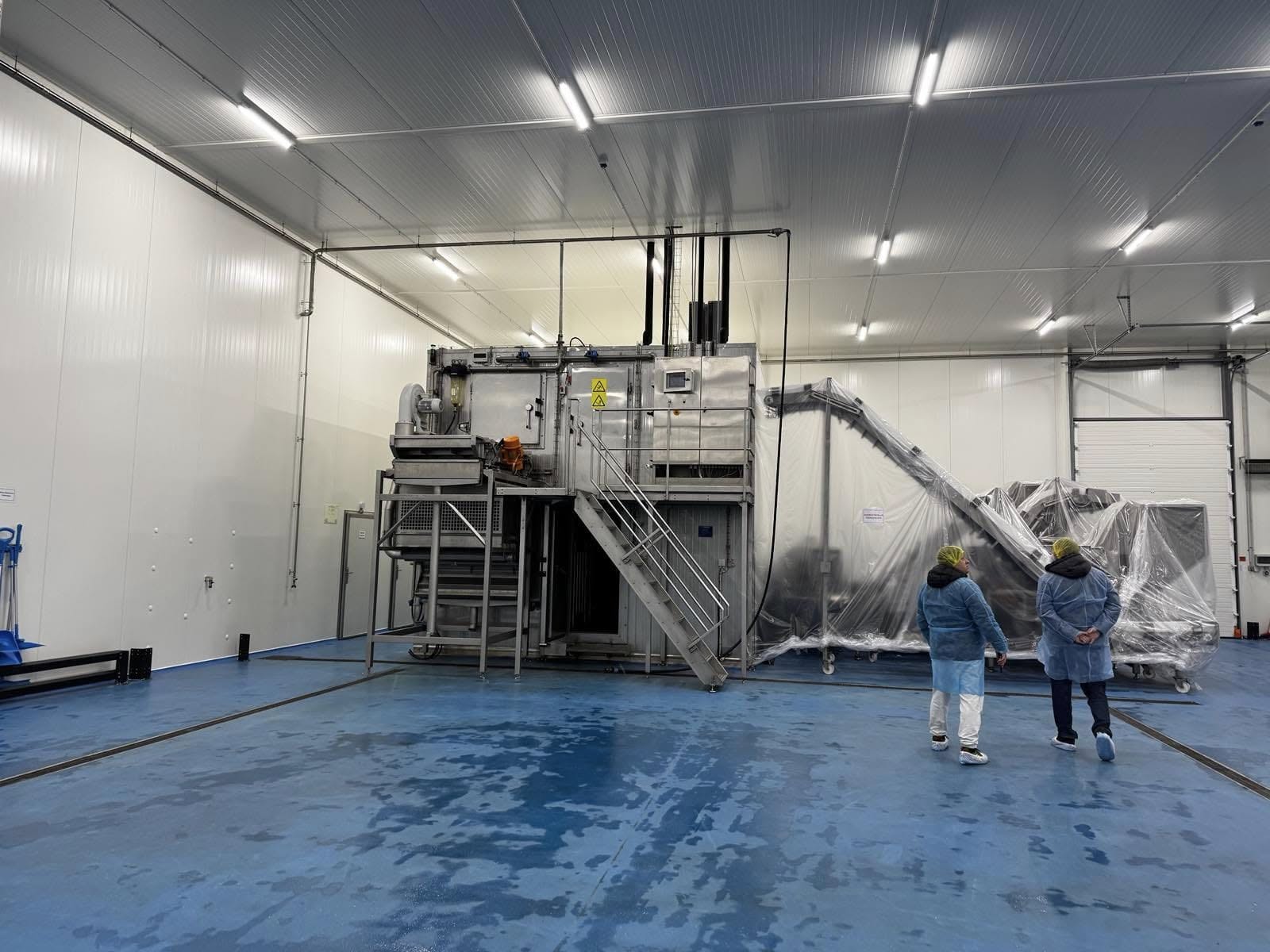
Our Projects

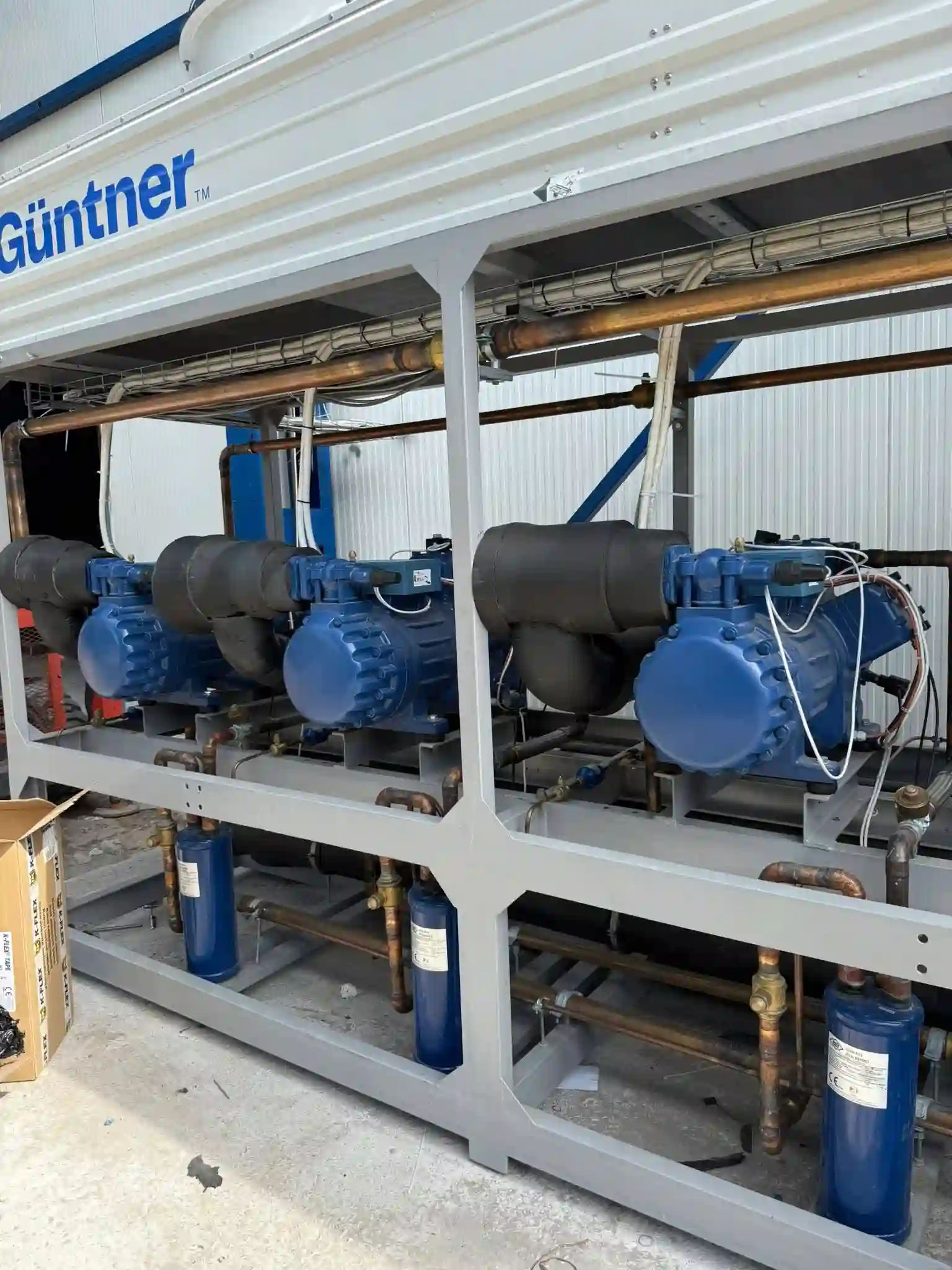
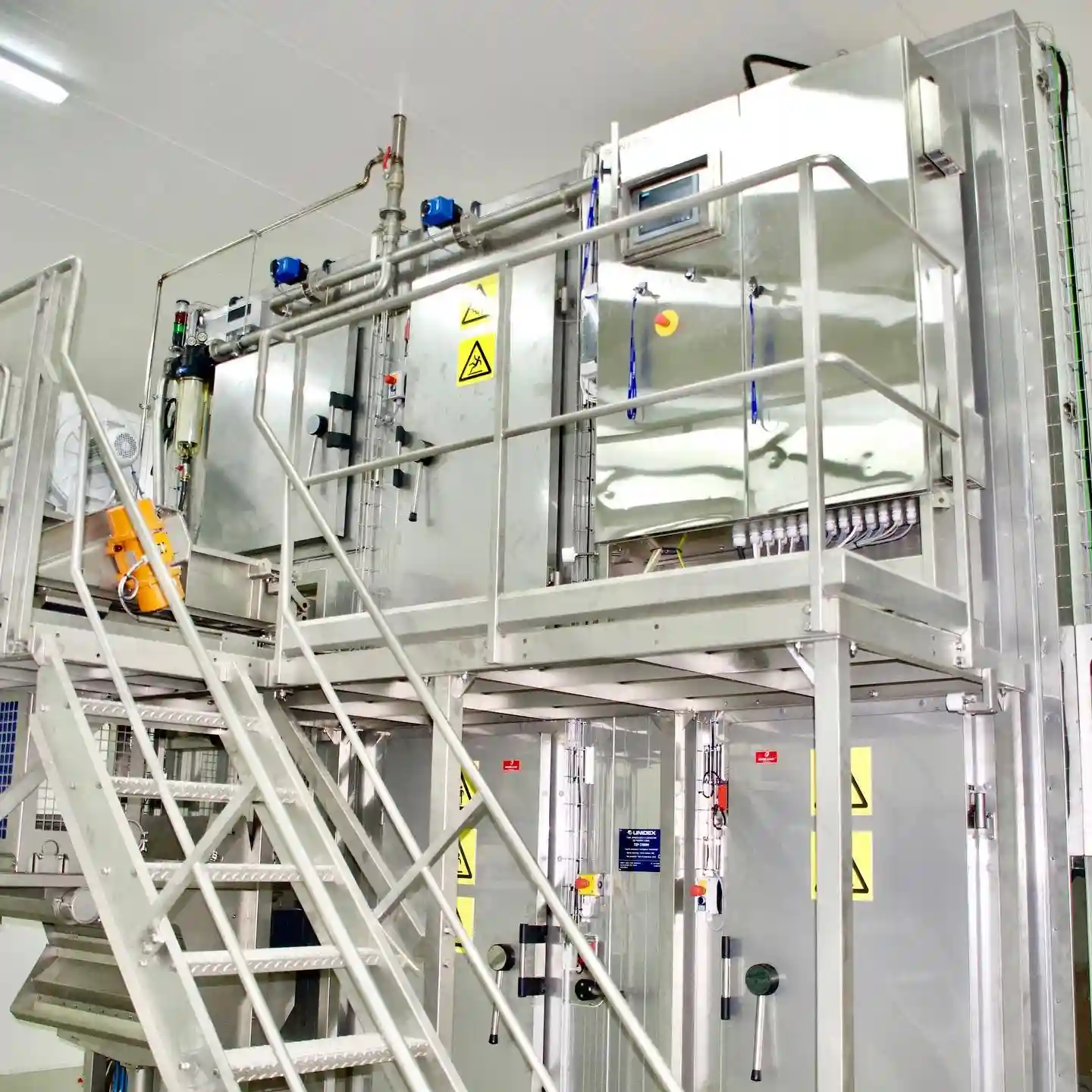
Our Clients
We are trusted










Our Partners
Work with us









Testimonial
Customers Says

Koriell Group completed the development of a refrigeration machine and its installation on CO2 for berry sublimation. We are very pleased with the cooperation because the work was completed on time. The equipment operates productively and energy-efficiently, which in turn reduces the cost of finished products.

We have had a positive experience working with the Coriel Group team. Just recently, 20-year-old blast freezing system with a new, modern and more efficient system that works flawlessly.
Any questions ?
99.9% Customer Satisfaction Based
If you have any questions or need assistance, please call us or send us an enquiry.