
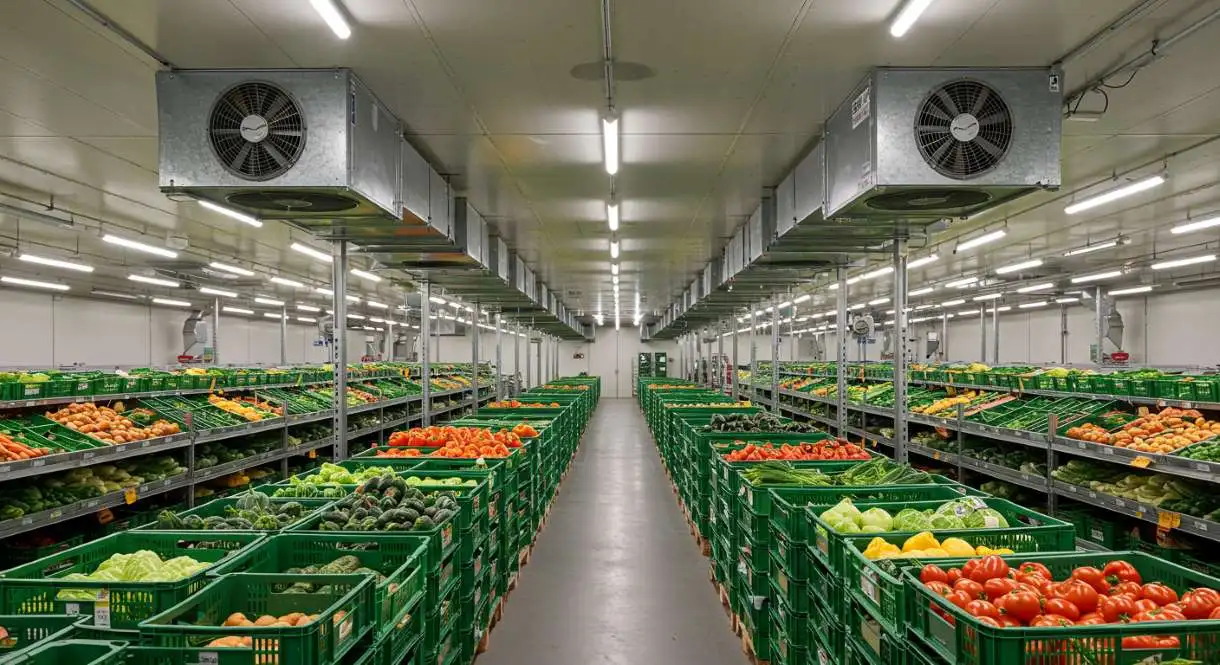
Modern vegetable storage facilities cannot operate efficiently without a properly designed ventilation system. Ventilation helps maintain a stable microclimate, prevents condensation, slows down spoilage processes, and preserves the commercial quality of vegetables during long-term storage.
For agricultural businesses, ventilation is not just additional equipment — it is one of the key factors in efficient crop storage.
Why Ventilation Is Critical for Vegetable Storage
During storage, vegetables continue to “breathe,” releasing heat, moisture, and carbon dioxide. Without proper control, humidity and temperature inside the facility increase rapidly, leading to:
- mold and fungal growth;
- condensation formation;
- accelerated product spoilage;
- weight loss of vegetables;
- deterioration of product appearance;
- shorter storage life.
A high-quality ventilation system ensures continuous air exchange and maintains optimal storage conditions for different types of products.
Main Functions of Ventilation Systems
Modern ventilation systems for vegetable storage facilities perform several important functions.
Temperature Control
The system distributes cooled air evenly throughout the facility and prevents overheating zones.
Humidity Regulation
Proper air circulation helps maintain the required humidity level and prevents both excessive drying and condensation.
Carbon Dioxide Removal
Stored vegetables release CO₂. Excessive carbon dioxide concentration negatively affects product quality and accelerates spoilage.
Uniform Product Cooling
This is especially important for large storage facilities with significant product volumes.
Types of Ventilation Systems Used in Vegetable Storage Facilities
Different solutions are used depending on the type of products, storage volume, and facility design.
Supply and Exhaust Ventilation
This is the most common solution for small and medium-sized vegetable storage facilities. The system supplies fresh air and removes stale air.
Advantages:
- stable air exchange;
- reduced humidity levels;
- lower risk of condensation;
- relatively affordable implementation cost.
Active Ventilation Systems
These systems are widely used in professional potato, onion, carrot, and long-term vegetable storage facilities.
The key feature is forced air circulation through the stored products using ventilation ducts and powerful fans.
Advantages:
- uniform cooling;
- reduced product losses;
- extended storage life;
- possibility of automation.
Automated Climate Control Systems
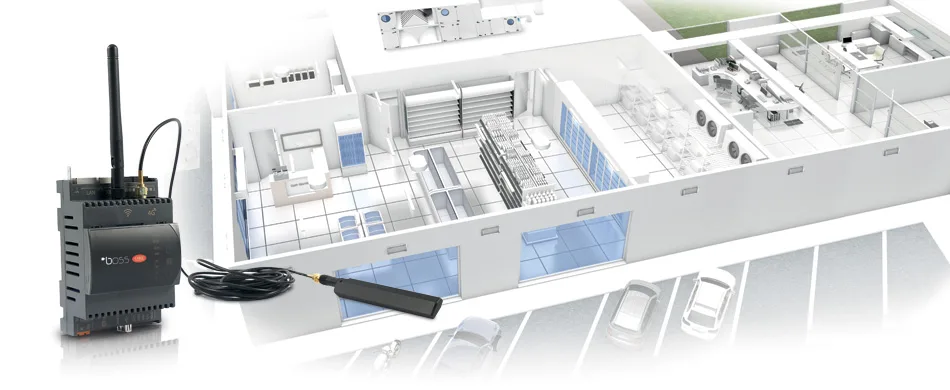
Modern solutions allow automatic regulation of:
- temperature;
- humidity;
- air exchange intensity;
- fan and refrigeration equipment operation.
Automation significantly reduces energy consumption and minimizes human error.
Ventilation Requirements for Different Vegetables
Different crops require different storage conditions.
Potatoes
- temperature: +2…+4 °C;
- high air exchange requirements;
- humidity control to prevent sprouting.
Onions and Garlic
- enhanced ventilation is required;
- excess moisture must be removed quickly;
- stable air circulation is essential.
Carrots and Beets
- higher humidity requirements;
- preventing product dehydration is critical.
Therefore, ventilation systems should always be designed individually for each facility and product type.
Key Factors in Ventilation System Design
When selecting a ventilation solution, specialists consider:
- storage capacity;
- product type;
- stacking and storage methods;
- regional climate conditions;
- required storage duration;
- refrigeration system capacity;
- energy efficiency requirements.
Design mistakes can result in significant financial losses during the very first storage season.
Energy Efficiency and Cost Reduction
Modern ventilation systems help significantly reduce storage costs through:
- automatic control systems;
- fan performance regulation;
- intelligent temperature management;
- optimized air exchange;
- reduced load on refrigeration equipment.
For large agricultural businesses, energy efficiency directly affects overall storage costs and profitability.
Comprehensive Solutions from Koriel Group
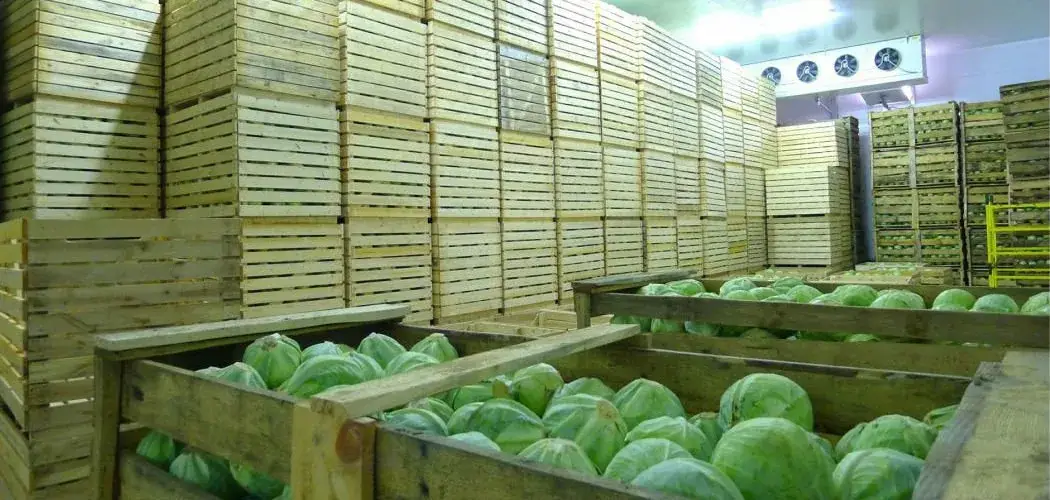
Koriel Group provides modern ventilation and refrigeration solutions for vegetable storage facilities of various sizes.
Our services include:
- equipment selection;
- system design;
- equipment supply;
- installation and commissioning;
- maintenance and technical support.
Our specialists help clients choose the most effective solution based on facility requirements, product type, and budget.
Conclusion
Efficient ventilation is one of the key components of a modern vegetable storage facility. A properly designed system helps preserve product quality, reduce losses, and ensure stable operation throughout the entire storage season.
Investing in high-quality ventilation and automation pays off through reduced product losses, improved energy efficiency, and longer storage periods.