
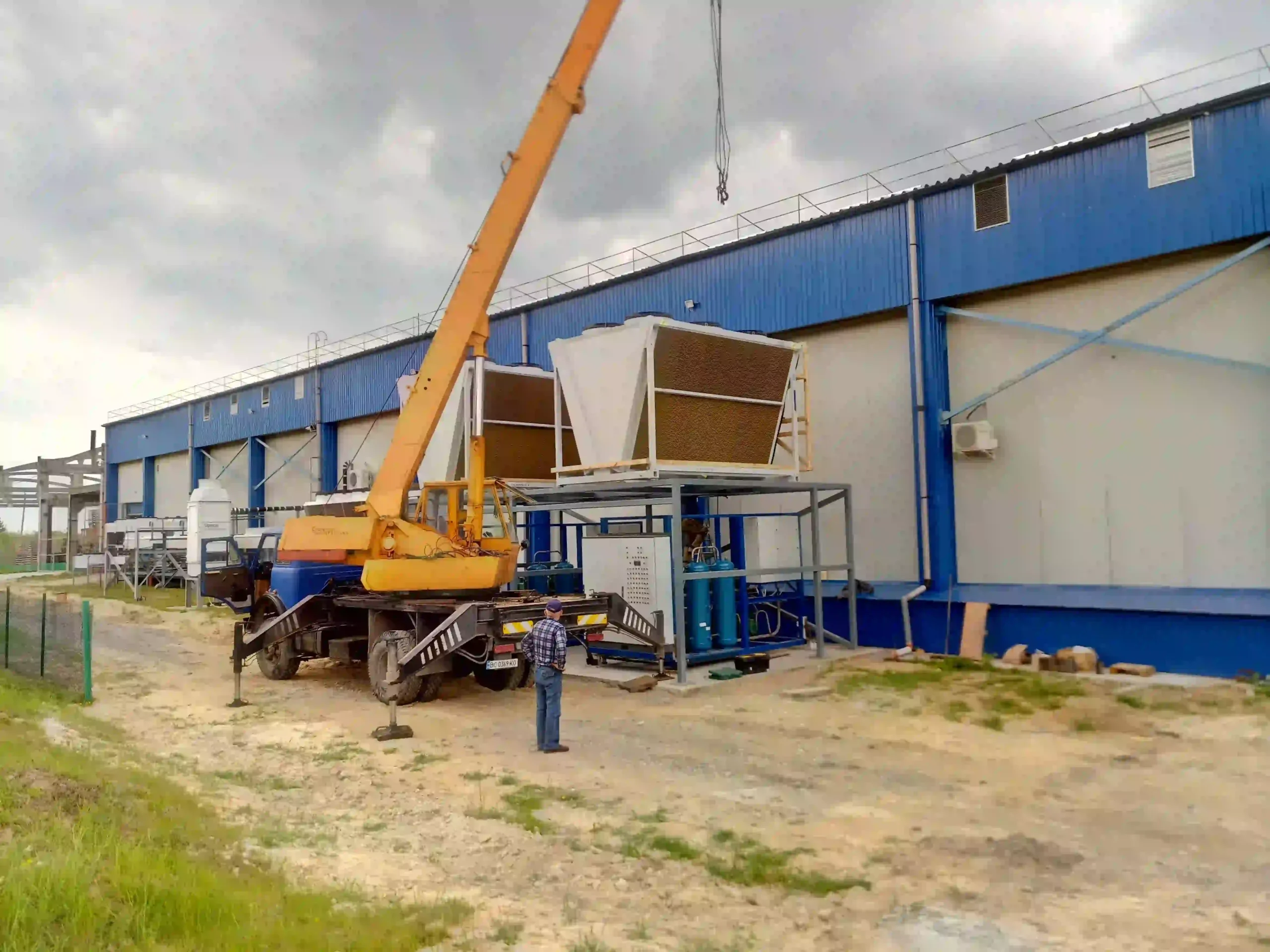
Industrial cold storage facilities are essential for modern food production, logistics, and distribution.
They ensure stable temperature conditions, product quality preservation, and compliance with international standards.
In this guide, Koriel Group explains how to properly design and build a cold storage chamber
using modern technologies and energy-efficient solutions.
What is an Industrial Cold Storage Facility
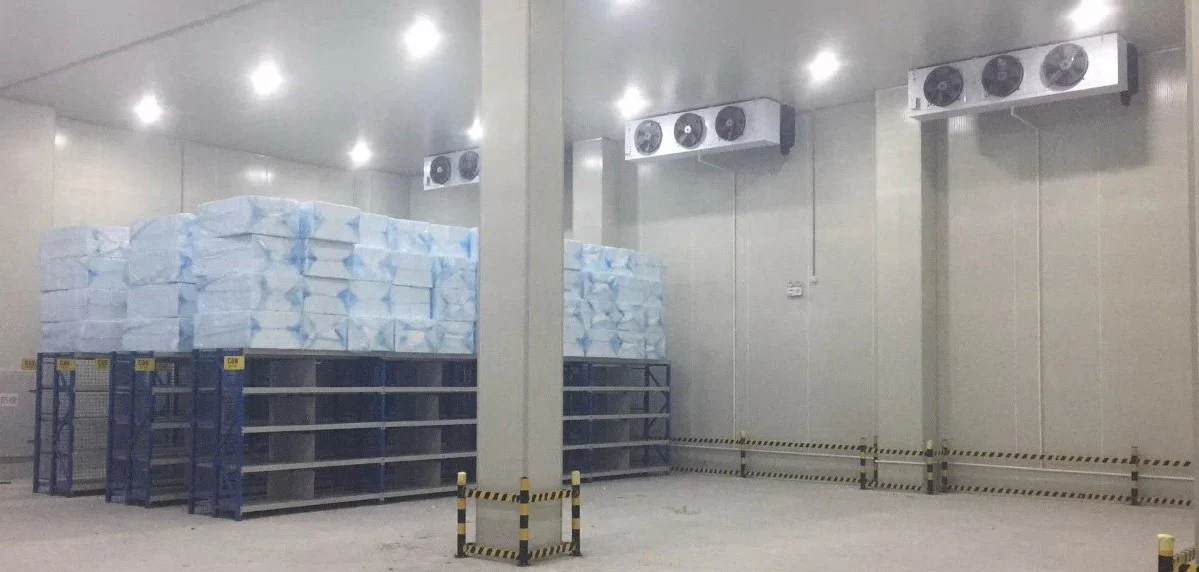
A cold storage facility is a sealed space designed to maintain a specific temperature for storing perishable goods.
These systems are typically built using insulated sandwich panels and equipped with refrigeration units,
ventilation systems, and monitoring tools. :contentReference[oaicite:2]{index=2}
Step 1. Business Needs Analysis
- type of products (meat, fish, vegetables, pharmaceuticals);
- temperature range (+5°C to -40°C);
- storage capacity;
- logistics and workflow.
Step 2. System Design
Professional design includes heat load calculations, equipment selection, space optimization, and zoning.
Step 3. Construction & Materials
High-quality insulation using sandwich panels ensures minimal energy loss and stable performance. :contentReference[oaicite:3]{index=3}
- proper insulation thickness;
- sealed doors;
- anti-slip flooring;
- condensation protection.
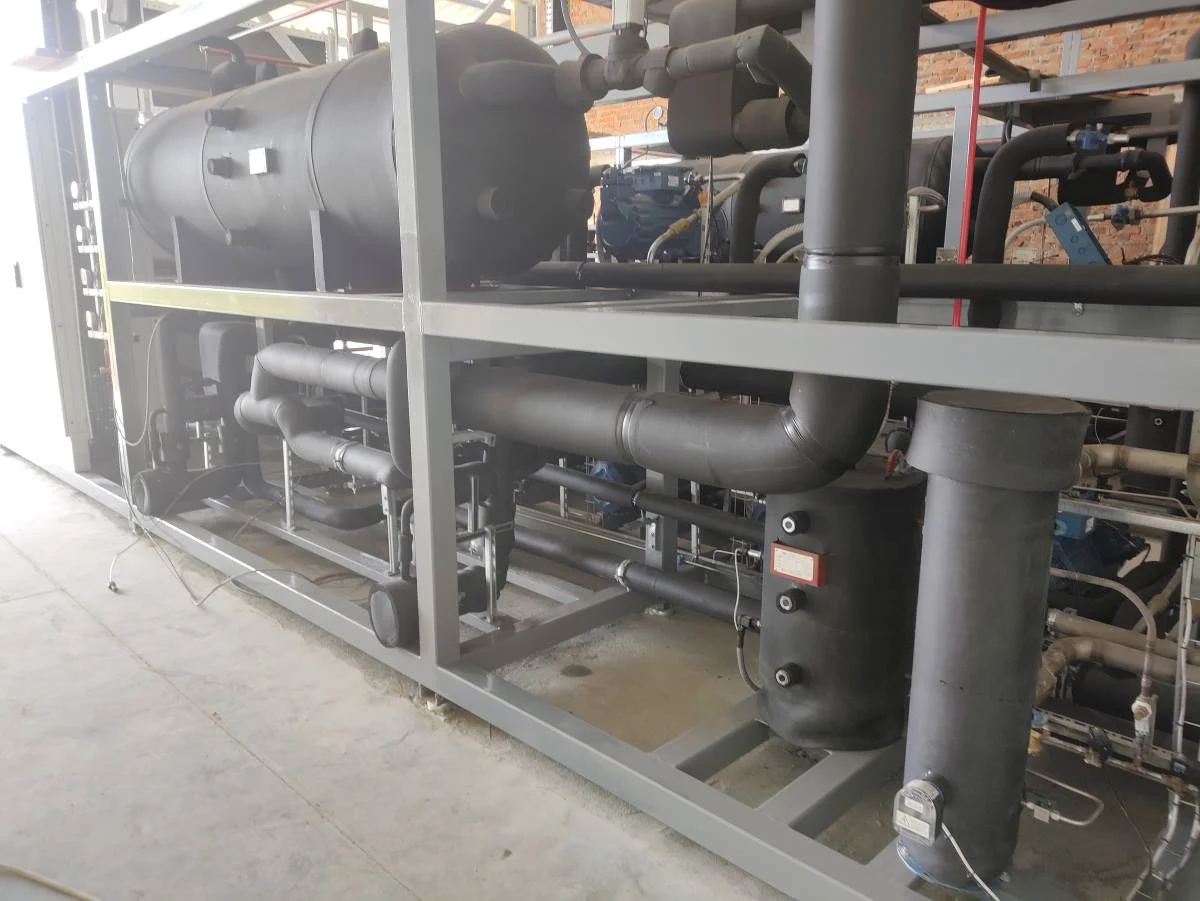
Step 4. Refrigeration Equipment Installation
- compressors and refrigeration units;
- evaporators and condensers;
- automation systems;
- sensors and monitoring tools.
Step 5. Automation & Monitoring
- real-time temperature control;
- alert systems;
- remote management;
- energy optimization.
Step 6. Commissioning
- system testing;
- leak checks;
- temperature calibration;
- staff training.
Common Mistakes
- incorrect capacity calculations;
- poor insulation;
- lack of automation;
- improper installation.
Why Choose Koriel Group
- turnkey solutions;
- energy-efficient systems;
- CO₂ refrigeration technologies;
- installation and maintenance;
- custom engineering solutions.
Conclusion
Building an industrial cold storage facility is a complex engineering process.
Proper design and professional implementation ensure long-term efficiency,
reduced operating costs, and product safety.